























NATO Allies Reject Trump’s Strait of Hormuz Blockade Plan

NATO allies, including Britain and France, have officially rejected U.S. President Donald Trump’s proposed blockade of the Strait of Hormuz. Instead, they are advocating for diplomatic solutions to the ongoing tensions in the region.
NATO Allies’ Stance on the Blockade
On April 13, 2023, NATO members expressed their unwillingness to participate in the blockade aimed at controlling maritime traffic linked to Iranian ports. This decision comes in the wake of failed talks to resolve a six-week conflict with Iran.
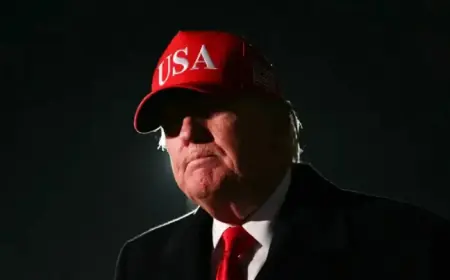
President Trump announced the blockade, stating it would involve the U.S. military and other nations blocking all maritime traffic to and from Iran, effective at 1400 GMT on the same day. However, NATO allies are not willing to get involved at this time.
Concerns Over Tensions
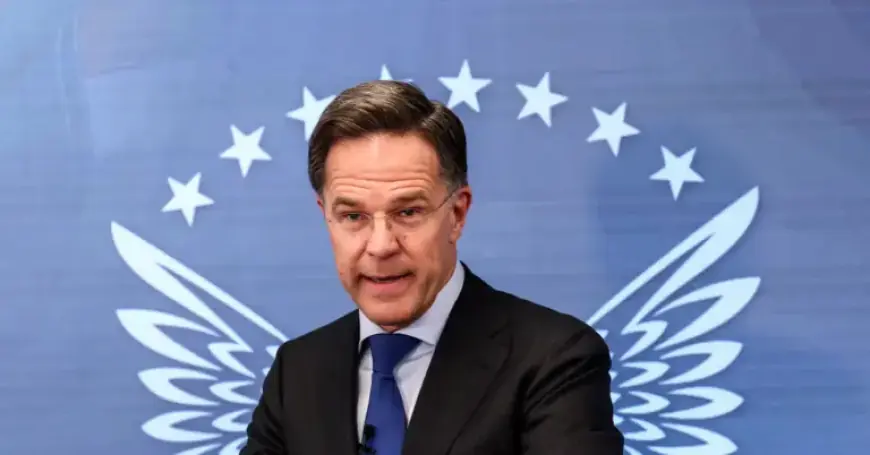
British Prime Minister Keir Starmer made it clear that Britain will not support the blockade, despite considerable pressure. He emphasized that the country will avoid being drawn into military conflict. NATO Secretary-General Mark Rutte advised European nations that Trump seeks actionable commitments to secure the Strait of Hormuz.
- Trump initiated the blockade after a breakdown in discussions with Iran.
- European nations stress the need for peace before participating in military operations.
- NATO could mobilize a mission subject to consensus among its 32 members.
Plans for a Multinational Mission
France is leading an initiative to organize a multinational mission aimed at restoring navigation through the Strait. President Emmanuel Macron announced that this mission would be strictly defensive and would deploy when conditions allow.
- The initiative’s goal is to establish safe passage rules and coordinate escort missions for tankers.
- A conference is planned, potentially involving approximately 30 countries, including India, Spain, and Italy.
Starmer reiterated that their aims focus on safeguarding shipping and supporting freedom of navigation once hostilities cease.
International Perspectives
Other nations, including Turkey, advocate for diplomatic solutions to reopen the Strait of Hormuz. Turkey’s Foreign Minister Hakan Fidan highlighted the complexities of establishing an international oversight force. He called for NATO to reassess its relationship with Trump.
As the situation evolves, NATO allies continue to emphasize the importance of non-belligerent solutions to ensure maritime safety in one of the world’s most critical waterways.