
























US-Iran Negotiations Conclude Without Agreement: Live Updates

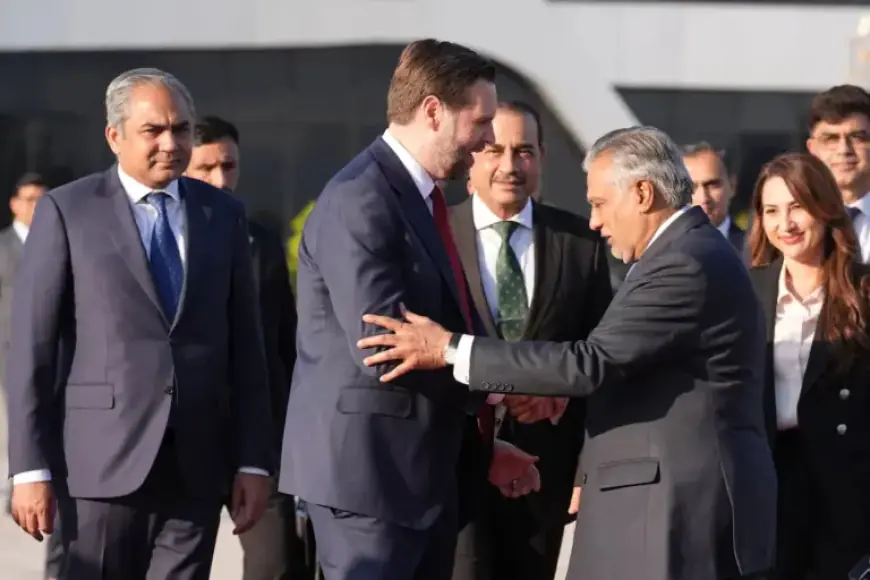
The recent US-Iran negotiations concluded without a formal agreement after extensive discussions held in Pakistan. President Donald Trump indicated the United States’ readiness to escalate measures against Iranian maritime activities, claiming strategic control over the crucial Strait of Hormuz. The strait is a vital waterway, responsible for transporting approximately 20% of the world’s oil supply.
US-Iran Negotiations and Their Aftermath
Following the failed peace talks in Islamabad, President Trump announced plans for the US Navy to begin blocking vessels entering or leaving the Strait of Hormuz. He expressed determination that no ships paying tolls to Iran would have “safe passage” on international waters.
- Key Points of Discussion in Negotiations:
- Control of the Strait of Hormuz
- Iran’s nuclear ambitions
- Compensation for damages from US and Israeli strikes
- Outcomes of the Talks:
- No formal agreement was reached after 21 hours of negotiations.
- Iran maintained its right to nuclear energy for peaceful purposes.
Reactions to the Negotiation Breakdown
Sultan Al Jaber, head of Abu Dhabi National Oil Company (ADNOC), reaffirmed the Gulf states’ consensus that Iran lacks the right to close the Strait of Hormuz. He described any closure as a threat to global economic stability and the security of nations dependent on oil supplies.
In a separate discussion, Russian President Vladimir Putin conferred with Iranian President Masoud Pezeshkian about the unsuccessful negotiations. Putin reiterated Russia’s commitment to de-escalation and conflict resolution in the Middle East.
Iranian officials expressed disappointment over the US’s lack of trust and inability to reach a consensus on key issues. They indicated Iran’s willingness to limit nuclear activities in pursuit of confidence-building; however, the talks ultimately failed due to significant gaps in opinions.
Geopolitical Implications and Next Steps
Experts predict that the impasse in negotiations will lead to a period of volatility rather than immediate conflict. Ali Vaez from the International Crisis Group mentioned that following the breakdown, there may be attempts at back-channel mediation and increased military maneuvers in the region.
The failed talks and the subsequent US announcement to enhance naval operations in the Strait of Hormuz have raised concerns about potential escalation in military actions. As tensions remain high, it is crucial for both nations to seek dialogue and maintain ceasefire commitments to prevent further destabilization.