

























Federal Court Approves Construction of Trump’s White House Ballroom

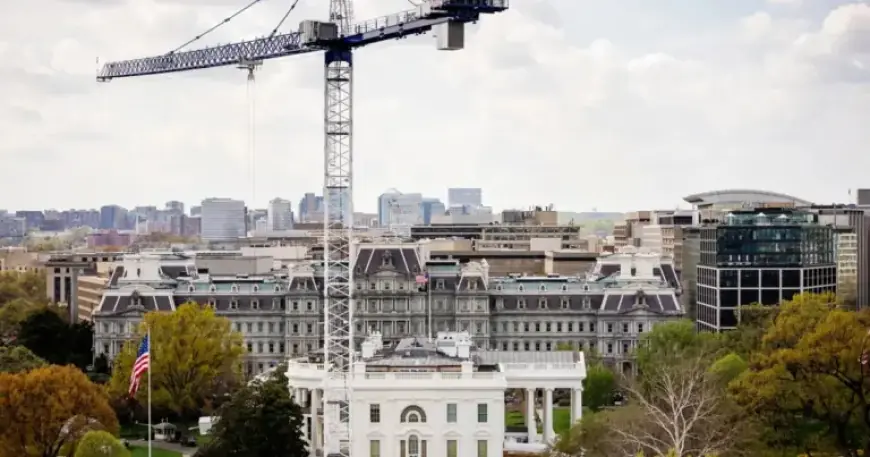
A federal appeals court has granted temporary approval for the construction of Trump’s White House ballroom, overruling a previous court order that halted the project. This decision allows construction to proceed until April 17 while further review occurs.
Background
The 2-1 ruling from a three-judge panel in the U.S. Court of Appeals for the D.C. Circuit responded to challenges by Trump’s administration against a lower court ruling. The lower court had determined that the $400 million project required congressional approval.
Legal Proceedings
U.S. District Judge Richard Leon previously sided with the National Trust for Historic Preservation, which argues that such extensive projects on federal property must have congressional consent. The preservation group believes that the administration’s claims of national security issues are exaggerated.
- The ballroom is essential for state functions with foreign leaders.
- Trump maintains that the project is crucial for the safety of the White House.
- Construction materials have been purchased, including missile-resistant and ballistic-proof components.
Arguments from Both Sides
The administration states that no taxpayer funds are being utilized for this project, asserting that the President’s authority includes the discretion to decide on the White House’s security needs. Conversely, the National Trust argues that the absence of a ballroom does not impede presidential functions and emphasizes the need for public consultation in such significant projects.
Next Steps
The appeals court’s ruling instructs the lower court to clarify legal issues surrounding the President’s authority over the project. National Trust President Carol Quillen expressed gratitude for the expedited legal proceedings and reaffirmed their commitment to preserving the historic character of the White House.
Implications
This ongoing legal battle underscores broader debates surrounding executive authority, historical preservation, and national security. The outcome may set a precedent for how such projects are approached in the future, emphasizing the balance between security and preservation.