























Theory Suggests Deliberate Release of Invasive Rodent Plaguing California

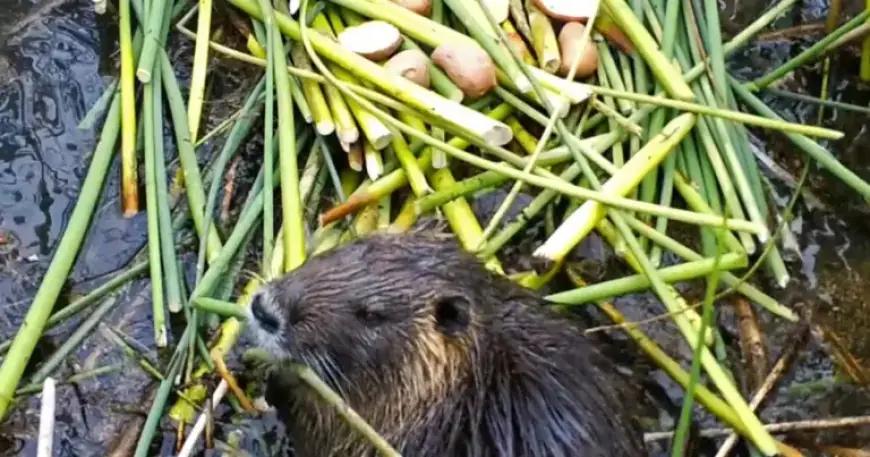
California’s battle against an invasive rodent is taking a troubling turn. Wildlife officials now suspect that the reemergence of the nutria, a highly destructive rodent, may have been a deliberate act of transportation from Oregon.
Background of the Nutria Invasion
The nutria, resembling a small beaver with webbed feet and a rat-like tail, vanished from California nearly four decades ago. However, these rodents resurfaced in the state’s wetlands around 2017, starting a significant ecological challenge.
Recent Research Findings
The California Department of Fish and Wildlife’s recent study highlights a concerning genetic linkage. The nutria found in California closely match those from Oregon. Researchers indicate that the long distance between the states makes random migration implausible, reinforcing the idea that these rodents were likely introduced intentionally.
Speculations Behind the Introduction
- Individuals may have brought nutrias to control overgrown vegetation.
- Some might have simply liked the rodent as a pet.
The true motive for their introduction remains uncertain. Historically, nutrias are native to South America and were initially imported to the U.S. in the early 1900s for a fur trade that did not succeed.
Impact on California’s Ecosystem
Nutria are thriving in California’s Central Valley, particularly around the Sacramento-San Joaquin Delta. These rodents are adept at burrowing and can consume significant quantities of vegetation, thereby threatening local agriculture and water sources. Wildlife experts note that they can devour a quarter of their body weight daily in plant matter.
Efforts to Control the Population
Since their return, the California Department of Fish and Wildlife has undertaken extensive control efforts. Through trapping and the introduction of sterilized nutria with tracking devices, they have removed 7,841 nutrias from the environment.
Unconventional Control Measures
To further combat this growing threat, the U.S. Fish and Wildlife Service has proposed hunting these invasive rodents, suggesting they could be prepared as a food source. This idea has gained traction on social media, with at least one TikTok user sharing a recipe that includes nutria tacos.
California continues to explore various strategies to manage the nutria population, as the potential damage to its ecosystems and agriculture amplifies with each passing season.