


















U.S. and Iran Cautiously Engage in Historic Islamabad Talks

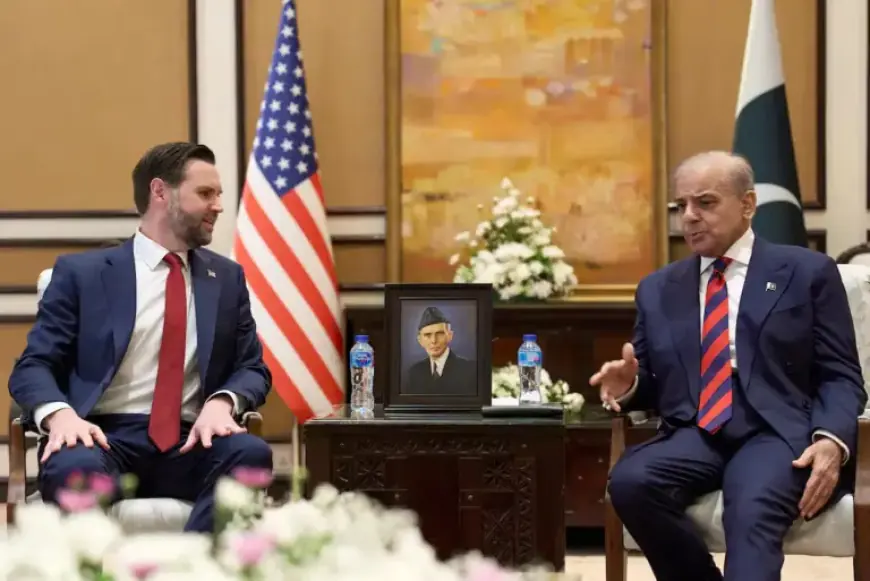
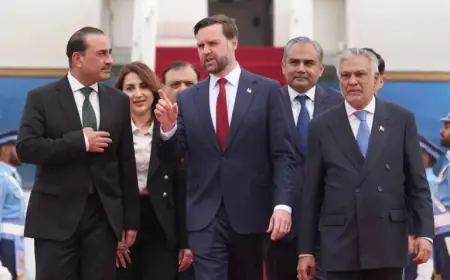
United States and Iranian delegations held direct negotiations in Islamabad on Saturday. The talks occurred at the Serena Hotel in the city’s Red Zone.
Scope and significance
These were the first direct talks since 2015. They were also the highest-level bilateral contacts since Iran’s 1979 revolution.
More than 70 Iranians attended. The delegation was led by Parliament speaker Mohammad Baqer Qalibaf.
Principal participants
- Iran: Mohammad Baqer Qalibaf and Foreign Minister Abbas Araghchi.
- United States: Vice President J. D. Vance led the U.S. side.
- Other U.S. advisers included Steve Witkoff and Jared Kushner.
Context and human cost
The meeting followed six weeks of intense fighting in the region. Iranian authorities report more than 3,000 deaths in Iran.
Lebanon recorded about 2,000 fatalities. The conflict has raised oil prices and affected 14 countries.
Agenda and core issues
Both sides opened with wide differences. Iran demanded inclusion of Lebanon in any ceasefire.
Iran also sought unfrozen funds, sanctions relief, recognition of control over the Strait of Hormuz, and war reparations.
The U.S. pressed for the Strait to be reopened. Washington also sought limits on Iran’s missile program.
Other U.S. demands included dismantling nuclear capabilities and ending Tehran’s support for militant groups.
Security developments at sea
Three supertankers transited the Strait of Hormuz during the talks. That passage had been effectively blocked by Tehran.
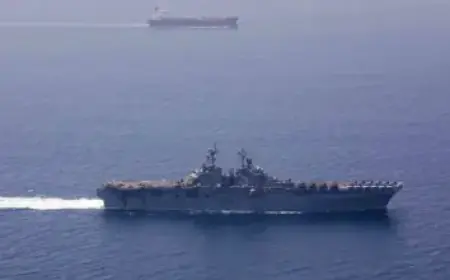
CENTCOM reported two U.S. destroyers entered the strait. The vessels were named Frank E. Peterson and Michael Murphy.
CENTCOM said the mission began a mine-clearance operation to ensure safe shipping lanes. Iran denied U.S. ships entered the strait.
Operational details
Admiral Brad Cooper said U.S. forces would open a new safe corridor for maritime trade. Additional assets, including underwater drones, will join.
U.S. officials argue Iran had mined the strait. Reports indicate Tehran struggled to locate or remove some mines.
Mixed messaging and distrust
Accounts from both sides clashed throughout the day. Each government contradicted the other’s claims.
Iranian state media said the U.S. made “extravagant” demands. Tehran’s government warned negotiators would act cautiously.
Fatemeh Mohajerani, an Iranian government spokeswoman, said negotiators remained alert and distrustful.
Diplomacy under pressure
Talks were nearly canceled in the days before the meeting. Their continuation was therefore an important, if fragile, step.
Media access in Islamabad was controlled. Hundreds of journalists found a press center but saw no formal briefings.
Truce, politics, and next steps
A 15-day truce had been agreed the previous Tuesday. The talks aimed to test whether further rounds were possible.
Pakistan’s prime minister Shehbaz Sharif said the ceasefire applied “everywhere, including Lebanon.” Other leaders disagreed publicly.
Reactions and analysis
President Donald Trump wrote that the strait would “open soon” and that U.S. forces were “cleaning” the route. He followed the talks from his golf club.
Analysts warned of wider costs. Nate Swanson of the Atlantic Council said the conflict had harmed the global economy and alliances.
Observers framed the event as historic. Many described it under the headline U.S. and Iran Cautiously Engage in Historic Islamabad Talks.