
























Iran Tightens Control of Strait of Hormuz Amid US Oil Pressure

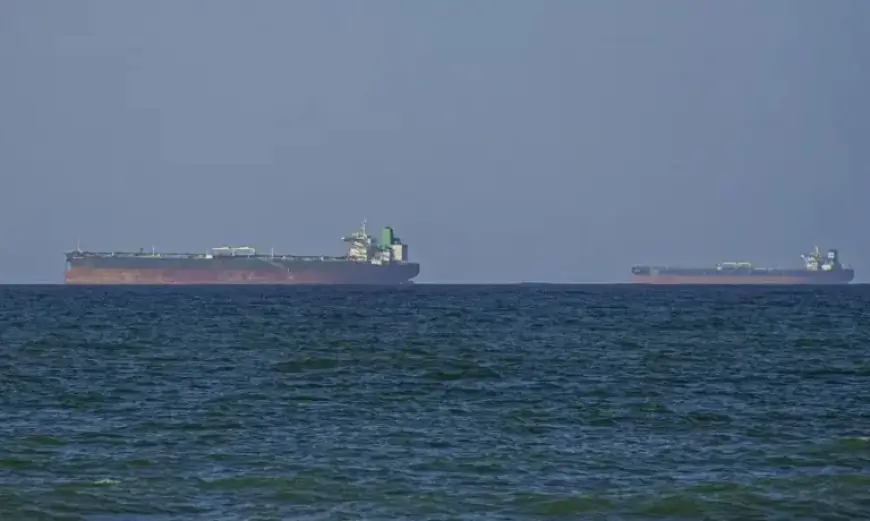
Amid rising tensions in the region, Iran is tightening its control over the Strait of Hormuz. This strategic waterway is vital for global oil transportation, and recent developments underscore its significance amidst US oil pressure.
US Responses to Iranian Control
President Donald Trump recently issued a warning to Iran, stating the nation “better stop” efforts to impose fees on vessels passing through the Strait of Hormuz. This comes after a ceasefire agreement where the US allowed the reopening of this critical passage.
Concerns Among Allies and Analysts
For weeks, military analysts and US allies have expressed concerns regarding Iran’s grip on the strait. Many question how Iran managed to seize control of this vital route in the first place.
Additionally, skepticism surrounds the Trump administration’s approach. Observers are puzzled as to why the US military has not intervened to reclaim the waterway, given its substantial military presence in the region.
Implications for Global Oil Trade
The Strait of Hormuz is one of the world’s most crucial oil transit chokepoints. Approximately 20% of global oil supply passes through this narrow strait. Therefore, any disruption in its operation can have significant implications for global oil markets.
- Strategic Importance: The Strait connects the Persian Gulf to the Gulf of Oman.
- Shipping Fees: Iran’s potential fees on transit could alter shipping dynamics.
- US Military Presence: The US maintains a significant naval presence in the region.
As Iran tightens its grip on the Strait of Hormuz, the international community watches closely. The situation presents ongoing challenges for US foreign policy concerning oil routes and regional stability.