
























Lawmakers Approve $300 Affordability Checks: Find Out Who Qualifies

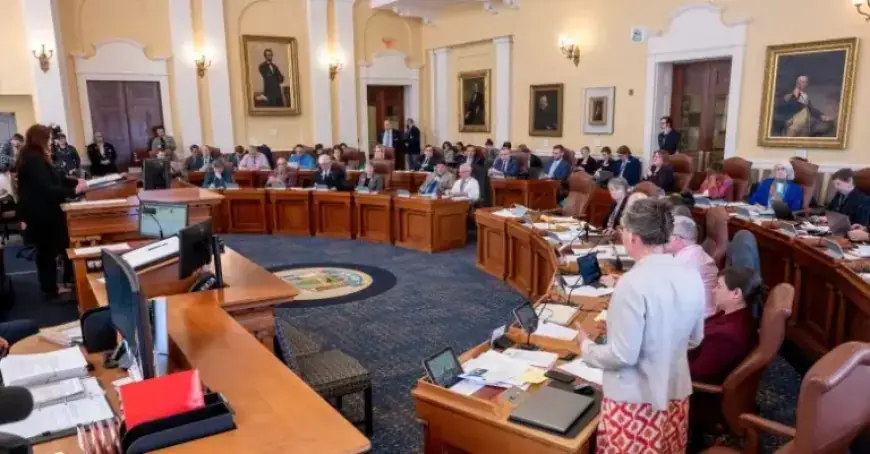
On April 9, 2026, Maine Governor Janet Mills signed a new budget that introduces vital economic measures, including $300 “affordability checks” for residents. This initiative aims to support Mainers amid increasing living costs.
Details of the Affordability Checks
Approximately 514,000 residents are projected to benefit from these checks. The proposal for affordability checks, initially presented in January, received legislative approval this week. Here’s what you need to know regarding eligibility and disbursement.
Eligibility Criteria
- Individuals earning below $50,000
- Heads of households earning under $75,000
- Married couples filing jointly with incomes below $100,000
Residents must have filed their 2025 tax returns to qualify for these payments.
Claiming Your Affordability Check
No action is required by those eligible. Checks will be mailed automatically to individuals who have filed their tax returns.
When Will Checks Be Distributed?
The new budget will take effect in mid-July 2026. Checks are expected to be sent shortly thereafter, according to state officials.
Purpose of the Affordability Checks
Governor Mills characterized these checks as part of an “affordability agenda.” This agenda also includes measures aimed at housing development and the establishment of a permanent free community college program. Both of these items were included in the budget signed on Friday.
The affordability checks will be financed through a $155 million allocation from the state’s Budget Stabilization Fund, often referred to as the “rainy day fund.” This fund is currently at its maximum statutory limit of $1 billion.
Political Reactions
The decision to utilize the rainy day fund for these payments has faced criticism. Some legislators, including Republicans and even members of Mills’s party, have labeled the initiative as a potential campaign maneuver. Governor Mills is currently competing in a Democratic primary against U.S. Senator Susan Collins.
Originally, Mills proposed distributing checks to 725,000 residents, but the final approved version reduced this number significantly, focusing on taxpayers with lower incomes.