






















Federal Court Reviews Trump’s New Global Tariffs Case

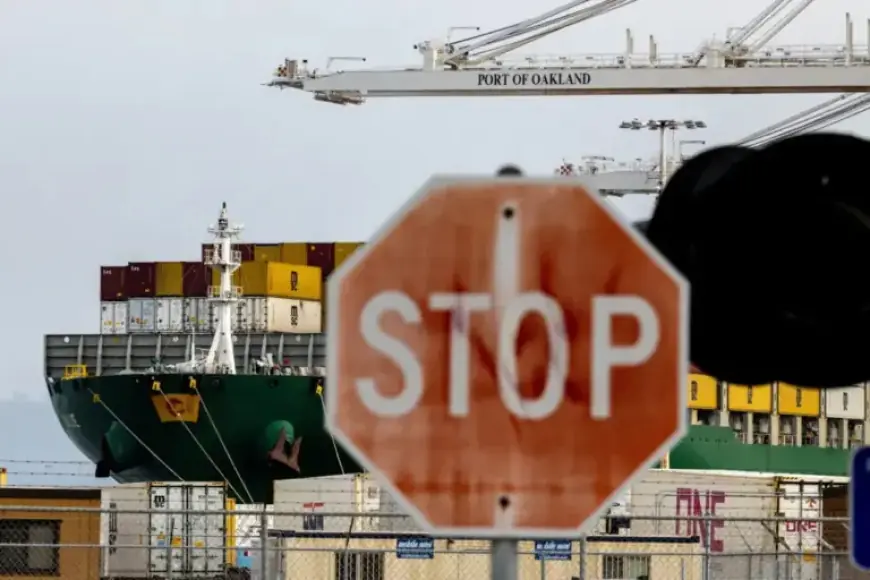
President Donald Trump’s global tariffs policy faces renewed legal scrutiny. The U.S. Court of International Trade is reviewing the case regarding these tariffs. This comes after the Supreme Court invalidated Trump’s previous larger tariffs in February 2023.
Background on Trump’s Tariffs
In 2022, Trump implemented broad tariffs on global imports using the 1977 International Emergency Economic Powers Act (IEEPA). He framed the persistent trade deficit as a national emergency. This allowed him to impose high taxes on imports from multiple countries.
Supreme Court Ruling
On February 20, 2023, the Supreme Court struck down the tariffs, concluding that IEEPA did not authorize such tariffs for addressing national emergencies. Following this decision, Trump sought alternative methods for imposing tariffs.
Section 122 of the Trade Act of 1974
One such alternative is Section 122 of the Trade Act of 1974. This section permits the president to impose tariffs up to 15% for up to 150 days. However, Congress must approve any extension after that period. Trump quickly instituted a 10% tariff under this provision, with indications of a potential increase to the maximum 15%.
Implications of Section 122
Section 122 addresses “fundamental international payments problems.” A key issue is whether this definition includes trade deficits. This provision originated during financial crises in the 1960s and 1970s when the U.S. dollar was backed by gold.
Legal Arguments and Challenges
- The Trump administration’s Justice Department has noted that Section 122 has limited application for addressing trade deficits.
- Critics argue that Section 122 is outdated, given that the dollar is no longer tied to gold.
- The court previously ruled that Trump could have utilized Section 122 to counter the trade deficit.
The outcome of this court review could reshape the landscape of U.S. trade policy and impact American manufacturers. The temporary tariffs are set to expire on July 24, 2023, if not extended. The legal proceedings continue to highlight the complexities surrounding international trade laws and the executive branch’s power in imposing tariffs.