























Orban’s Defeat in Hungary May Become Putin’s Dreaded Turning Point

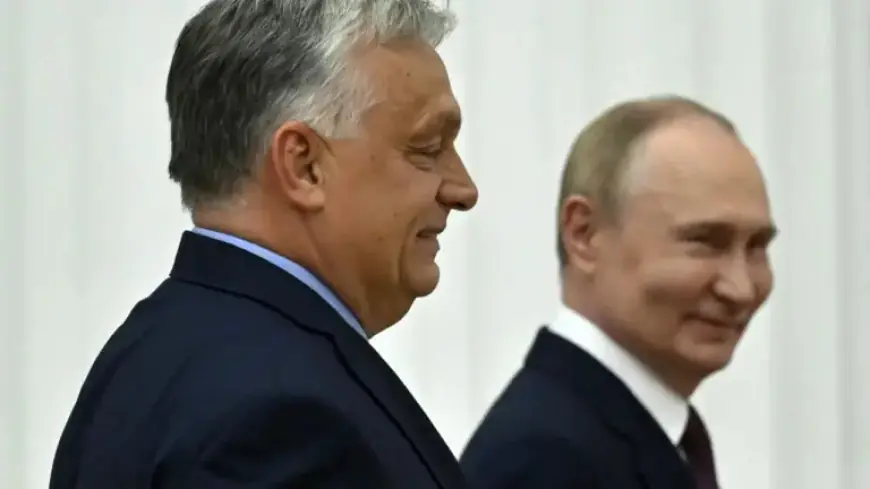
Hungary’s long-standing prime minister, Viktor Orban, faces an uncertain future as parliamentary elections approach. Orban has led for 16 years under the Fidesz banner. Polls show challenger Peter Magyar roughly ten points ahead.
An intelligence leak in March revealed a Russian SVR report. The document, described as “the Gamechanger,” allegedly proposed drastic measures. Those reportedly included a staged assassination attempt aimed at transforming the campaign dynamic.
Analysts say interference has escalated sharply. Edit Zgut-Przybylska of the Democracy Institute at CEU points to documented influence operations, disinformation and intelligence-linked activities. Reports also name GRU-linked specialists dispatched to Budapest to monitor and support operations.
Allegations of collusion and foreign influence
Anton Shekhovtsov, director of the Center for Democratic Integrity, argues the actions resemble collusion rather than mere interference. He highlights close ties between Moscow and elements of the Hungarian government. U.S. figures have also entered the scene, with a joint appearance by Vice President JD Vance and Orban criticized as foreign influence on the vote.
Support from abroad has been vocal. Former U.S. president Donald Trump reportedly promised economic support if Orban won re-election. Critics say these interventions add to an already charged electoral environment.
Controversy over election observers
The OSCE made a contested appointment to its observer team. Daria Boyarskaya, once an interpreter for Vladimir Putin, drew complaints from Hungarian rights groups and European lawmakers. An open letter signed by 56 MEPs called for her removal because of her Moscow ties.
Zgut-Przybylska warns that Russia views Hungary as a strategic partner inside the EU. She calls Budapest a “Trojan Horse” that has obstructed EU decisions on Ukraine and sanctions. A leaked conversation in which Orban offered to assist Putin intensified those concerns.
What a change of government would mean
Even if Peter Magyar wins, governing will be difficult. Orban’s long tenure has embedded allies across institutions and media. That legacy could blunt immediate shifts in policy.
Experts expect a Magyar government to move Hungary closer to Brussels. But Moscow’s influence would not vanish overnight. Michael Toomey of the University of Glasgow says a Magyar victory would not be a total catastrophe for Russia. Hungary still has structural reasons to seek Russian oil and gas access. Magyar has signaled that Hungary cannot end its reliance on Russian energy before 2035, despite EU goals for 2027.
Russia may also try to destabilize a new administration. Orban could continue to exert influence from within the country. Allies elsewhere in Europe, notably Slovakia under Robert Fico, could provide additional support to Kremlin aims. Analysts note Slovakia is more constrained by eurozone membership and EU integration, however.
Paths and pitfalls
A clear parliamentary majority is crucial for meaningful change. Without one, any new government will face compromises. Observers say a narrow win would likely trigger a prolonged struggle over institutions and policy.
The stakes are high. For Moscow, Orban’s defeat would carry strategic weight. Some experts warn it could mark what they call a Putin’s dreaded turning point in the region. Filmogaz.com will follow developments as results emerge.