






















“Super El Niño: Can It End Colorado’s Drought?”

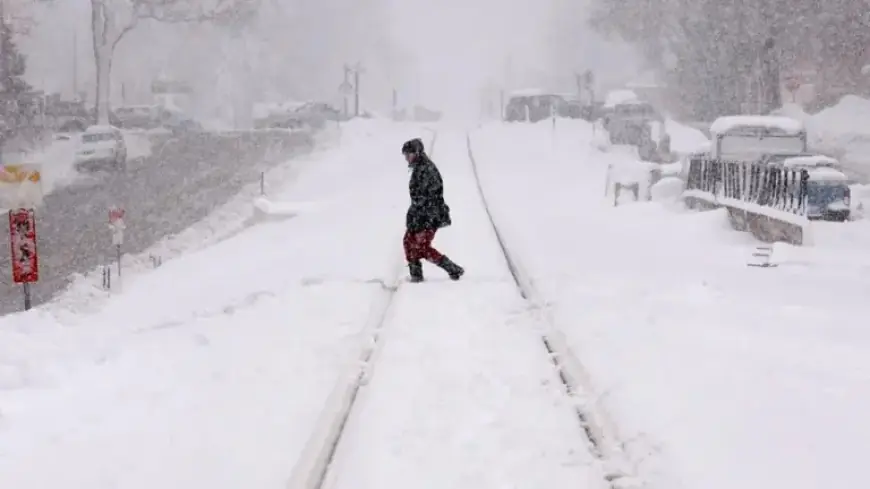
The possibility of a rare super El Niño is raising hopes for an end to Colorado’s ongoing drought conditions. While the enthusiasm is palpable, caution is necessary when it comes to predicting weather patterns. Long-range forecasting is complex, and outcomes can be uncertain. Current models indicate that if ocean temperatures continue to rise, the U.S. may experience a record-breaking super El Niño. This has significant implications for weather across the region, particularly in Fort Collins and beyond.
Understanding El Niño and Its Global Impact
The El Niño/Southern Oscillation (ENSO) is monitored by the National Weather Service’s Climate Prediction Center. ENSO reflects a natural climate pattern characterized by fluctuating sea surface temperatures and air pressure in the central and eastern equatorial Pacific Ocean. This cycle greatly influences global weather patterns, including shifts in the jet stream and storm tracks.
- El Niño: Above-average temperatures in the equatorial Pacific.
- La Niña: Below-average temperatures in the same region.
- Neutral: No significant temperature variation.
During El Niño years, the southern U.S. often faces cooler and wetter conditions in fall and winter, while the northern areas may experience warmth and dryness. For regions like Fort Collins, the effects can be less consistent, although historical data shows that super El Niño years often bring increased snowfall and precipitation.
Potential Formation of a Super El Niño
Current models indicate a notable warming in sea surface temperatures across the central and eastern equatorial Pacific Ocean. Stronger El Niño conditions could lead to more frequent storm systems and heightened threats of severe weather, particularly in the southern U.S.
As of mid-March, the Climate Prediction Center reported the following probabilities:
- 55% chance of transitioning from La Niña to neutral conditions starting in April.
- 62% chance for the neutrality to change to El Niño between June and August, lasting until at least the end of 2026.
- 33% chance of “strong” El Niño conditions occurring from October to December, with ocean temperatures expected to exceed 1.5 degrees Celsius above normal.
In fact, some models predict a rise of ocean temperatures to between 2.5 to 2.8 degrees Celsius above average, approximately 4 to 5 degrees Fahrenheit, which could match the record set in 2015-16.
Historical Impact on Fort Collins’ Weather
Peter Goble, assistant state climatologist at Colorado State University, highlights a correlation between super El Niño events and increased precipitation in Fort Collins, although he warns that historical data is limited. There have been three notable super El Niño occurrences: 1982-83, 1997-98, and 2015-16. During these years, Fort Collins recorded significant snow and rainfall:
| Year | Snow (inches) | Precipitation (inches) |
|---|---|---|
| 1982-83 | 68 | 24.22 |
| 1997-98 | 55.3 | 20.85 |
| 2015-16 | 72.8 | 14.37 |
Goble noted that during previous super El Niño years, statewide snowpack reached up to 113% of normal in 1998 and 93% in 2016. The lack of recent significant snowpack, however, poses challenges for water storage in the state.
Implications for Colorado’s Water Storage
The Climate Prediction Center predicts this summer’s monsoon season will be more active than usual, especially from July through September. This annual event draws moisture from various sources and could enhance rainfall across the Front Range.
Currently, Colorado’s snowpack is alarmingly low, sitting at just 22% of normal, with the South Platte Basin at 32%. As of early April, an overwhelming 95% of the state is classified as experiencing some level of drought. Reservoir water storage, particularly in central and northern Colorado, is about 80% of normal for the year.
Goble reassured that lakes like Granby are in relatively good condition but emphasized that one bad snowpack year cannot be followed by another. On a hopeful note, he expressed optimism for an eventual uptick in snowpack levels, emphasizing that a strong winter season could recover reservoir levels significantly.
In conclusion, while a super El Niño may influence Colorado’s drought circumstances, the uncertainty surrounding its impacts necessitates cautious optimism as the situation develops.