
























Russian Offensive Analysis Highlights April 10, 2026


On April 10, 2026, Russian President Vladimir Putin declared a unilateral ceasefire in light of the Orthodox Easter holiday. This short-term ceasefire is set to commence at 16:00 Moscow time on April 11 and will last until the end of April 12, 2026. The decree mandates an end to combat operations across all fronts, targeting a pause in hostilities during this significant religious observance.
Ceasefire Details and Reactions
Putin’s directive assumed that Ukraine would reciprocate the truce. However, Kremlin spokesperson Dmitry Peskov stated on April 9 that there had been no discussions regarding the ceasefire with either the United States or Ukraine, nor did he confirm any negotiations would follow. In a contrasting response, Ukrainian President Volodymyr Zelensky acknowledged the ceasefire, indicating that Ukraine had previously suggested a truce during the Easter period and would act accordingly.
Military Actions Prior to the Ceasefire
- Russian forces have concentrated on offensive operations towards the Hulyaipole area, prioritizing these efforts over defensive measures against counterattacks from Ukraine, particularly in the Oleksandrivka region.
- Despite this focus, Russian advances near Hulyaipole have been limited, while Ukrainian forces have continued to gain ground in several regions, including Kupyansk, Slovyansk, and Pokrovsk.
Operational Changes and Reinforcements
Reports indicate that the Russian military has redirected its strategic reserves, including the 40th Naval Infantry Brigade, to the area of operations near Hulyaipole. However, this effort appears insufficient to stabilize their positions or achieve significant territorial gains. Ukraine continues to inflict heavy casualties on Russian forces, resulting in ongoing military dilemmas for the Kremlin.
Targeting Russian Energy Infrastructure
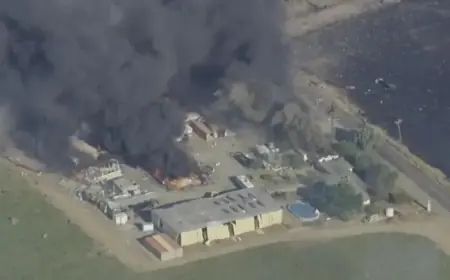
Simultaneously, Ukrainian forces have launched targeted strikes on Russian energy infrastructure, aiming to hinder production capabilities. On April 9 and 10, drone strikes were conducted against drilling platforms in the Caspian Sea and an oil tank in Volgograd Oblast, among other sites. This ongoing operation signifies Ukraine’s commitment to disrupt Russian energy supplies amid the conflict.
Increased Drone Warfare
On April 10, Russian forces utilized a series of drone strikes against Ukraine, launching 128 drones, primarily targeting energy infrastructures. Ukrainian defenses successfully intercepted a majority, reducing the impact of these attacks. This approach aligns with a broader strategy to engage in day-and-night drone operations, maximizing targets against both military and civilian installations.
Continued Military Engagement
As of April 10, Russian military operations have persisted, particularly in the eastern regions of Ukraine. All fronts remain active, but significant advancements have yet to materialize. Despite the declared ceasefire, the ongoing military engagements represent the complexity of the conflict, with both sides weighing their strategic goals against the backdrop of religious observance.
For more in-depth coverage of these developments, visit Filmogaz.com, where we constantly update our reporting on the Russia-Ukraine conflict and its implications.