
























U.S. Inflation Soars Amid Record Gas Price Surge

Recent data indicates significant inflationary pressures in the U.S. economy, primarily driven by unprecedented surges in gasoline prices. This spike in consumer prices, the highest in nearly four years, has raised concerns among economists and impacts public sentiment regarding the economy.
U.S. Inflation Rises Amid Record Gas Price Surge
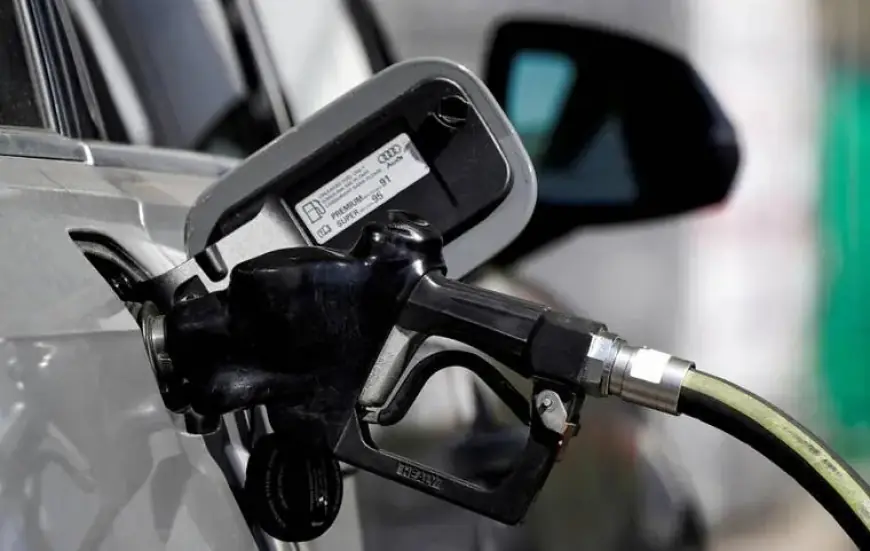
In March, the Consumer Price Index (CPI) increased by 0.9%, reflecting the largest monthly rise since June 2022. This surge is largely attributed to the ongoing conflict between the U.S. and Iran, which has led to soaring energy costs. Gasoline prices saw a staggering 21.2% increase, accounting for nearly three-quarters of the total CPI rise.
Key Economic Indicators
- CPI Increase: 0.9% in March 2023; 2.4% in February.
- Year-over-Year CPI Growth: 3.3% as of March 2023.
- Gasoline Price Surge: 21.2% for March; Diesel prices up 30.8%.
- U.S. Average Gas Price: Exceeded $4 per gallon for the first time in over three years.
Despite the alarming figures, the so-called core CPI, which excludes food and energy, rose only 0.2%. This figure underscores that while inflation is present, underlying price stability persists in other sectors, albeit under threat from rising fuel costs.
Implications of Inflation on the Economy
The inflation surge raises stakes for the Federal Reserve, which may be reluctant to cut interest rates due to the heightened economic volatility. Recent job growth suggests a stable labor market, yet the rising cost of living could prompt consumers to reduce discretionary spending.
Christopher Rupkey, chief economist at FWDBONDS, noted that every U.S. recession since the 1970s was preceded by an energy price shock. The current situation hints at potential challenges ahead for consumers facing affordability issues.
Future Projections
As the conflict in the Middle East continues, economists warn that core inflation may accelerate in the coming months. Rising costs for jet fuel, diesel, and various goods are expected, which could lead to increased prices across many sectors. The Fed has maintained its interest rate in the 3.50%-3.75% range, leaving markets on edge regarding potential rate hikes amidst this volatile backdrop.
Conclusion
The latest inflation data paints a concerning picture for U.S. consumers as they grapple with surging gas prices and broader economic uncertainties. Staying informed will be critical for households and policymakers moving forward.