




















Fortescue Expedites World’s First Large-Scale Green Grid to Replace Diesel

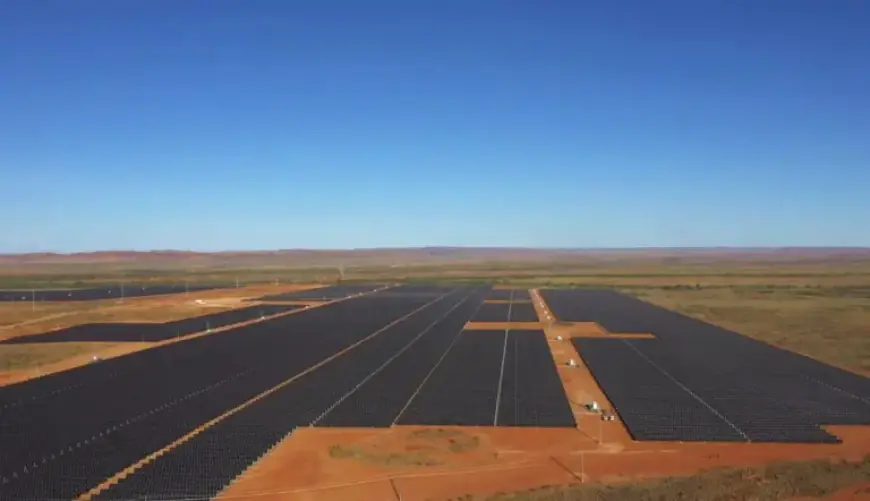
Fortescue Metals Group, under the leadership of Andrew Forrest, has announced its ambitious plan to implement the world’s first large-scale green grid. This initiative aims to entirely eliminate diesel and fossil fuels from its operations by 2030, particularly at its key mining sites in Pilbara, Australia.
Transition to Green Energy by 2030
The company is set to achieve “real zero” emissions at its Pilbara mines by the end of 2027. This transition is expected to save Fortescue approximately $100 million USD annually. Unlike other renewable energy systems that inconsistently feed into national grids, Fortescue’s new off-grid solution will provide continuous power to support heavy industries.
Significance Amidst Industry Skepticism
Fortescue’s plans represent a pivotal shift in the mining industry, challenging the common narratives promoted by competitors like BHP and Rio Tinto. CEO Dino Otranto criticized the Minerals Council of Australia for advocating against rapid transitions to renewable energy, especially in light of the ongoing Middle East fuel crisis.
Projected Capacity and Infrastructure
By early next year, Fortescue anticipates deploying 290 megawatts (MW) of renewable energy capacity. This will facilitate daytime operations at its ore processing facilities. By 2028, the company’s expansion is expected to yield:
- 1.2 gigawatts (GW) of solar energy.
- Over 600 megawatts (MW) of wind generation.
- 4 to 5 gigawatt hours (GWh) of battery storage.
Cost Reductions and Economic Viability
Fortescue predicts a reduction of mining costs by $2 to $4 per wet metric tonne as the company transitions to sustainable energy sources. This indicates that moving away from fossil fuels is not only feasible but also economically advantageous. The company aims to demonstrate the efficiency and reliability of a fully integrated renewable energy system.
Collaboration and Future Developments
Fortescue is eager to market its innovative energy solutions to other industries. The potential project scope includes:
- 2 GW of wind and solar capacity.
- 4 GWh of battery storage.
These projects are estimated to cost around $2.5 billion. Otranto mentioned potential collaboration with data centers and green ammonia projects, emphasizing that renewable technologies may outpace existing coal solutions.
Industry Comparisons and Environmental Goals
Smaller mining companies like Bellevue Gold are already benefiting from high renewable energy commitments, sourcing 90% of their power from wind and solar. They reported that their diesel consumption represents just 1.2% of total operating costs and have achieved “net zero” emissions. In contrast, Fortescue aims for a more ambitious “real zero” target by 2030.
The sharp decline in battery storage costs and advancing solar technologies have bolstered Fortescue’s economic forecasts. Otranto highlights the undeniable financial advantages of these renewable initiatives and expresses confidence in their rapid implementation.
As Fortescue presses on with its green energy plans, its commitment could serve as a significant catalyst for the mining industry’s shift towards sustainable practices, setting a notable example in mitigating climate change while ensuring economic growth.