










FBI Delayed Responding to Minnesota Investigators After Renee Good Murder

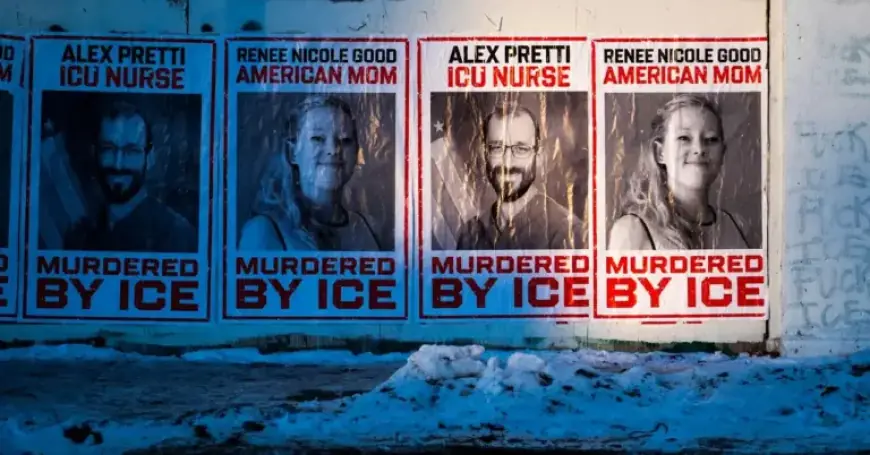
On January 7, a tragic event unfolded in Minnesota when federal immigration enforcement officer Jonathan Ross fatally shot Renee Good at approximately 9:37 a.m. local time. The aftermath of her death revealed significant lapses in communication between the Minnesota Bureau of Criminal Apprehension (BCA) and the Federal Bureau of Investigation (FBI).
Delayed FBI Response to Minnesota Investigators
On the same day of the incident, a BCA official reached out to the FBI via text message. This communication urgently requested access to evidence from the crime scene. Unfortunately, records obtained by WIRED through public records requests indicate that the FBI did not respond for at least two days.
Communication Breakdown
The BCA later reported that the FBI would take the lead on the investigation into Good’s death. Consequently, the BCA would lose access to crucial case materials and evidence. This communication breakdown prompted the BCA, along with the Hennepin County Attorney and the state of Minnesota, to file a lawsuit against the Departments of Homeland Security and Justice, including the FBI. The lawsuit was officially filed on March 24.
Details of the Lawsuit
The lawsuit seeks to reclaim access for state and local law enforcement to investigative materials relevant to the shootings of not only Good but also two other individuals:
- Alex Pretti, a nurse shot by Border Patrol agents on January 24.
- Julio Sosa-Celis, a Minneapolis resident injured by a federal immigration agent on January 14.
The allegations within the lawsuit state that the established collaboration between federal and Minnesota law enforcement was disrupted during DHS’s Operation Metro Surge. The partnership ended once federal leadership intervened.
Text Message Exchange
Documents reveal an exchange of text messages between BCA Superintendent Drew Evans and an FBI agent, referred to as an “FBI ASAC” (Assistant Special Agent in Charge). The texts, sent on January 7, indicate Evans sought to maintain inclusion in investigative interviews. He expressed concern over federal agents conducting interviews without involving the BCA.
Evans also conveyed that the crime scene could be compromised due to the presence of numerous federal agents, leading to a contentious situation. His messages reflected a desire for unified operations among the agencies involved.
Significance of the Case
The shooting of Renee Good prompted protests and a community outcry. The BCA’s claim highlights their expectation of access to important evidence gathered by federal investigators. This includes Good’s vehicle, the ICE agent’s firearm, and shell casings found at the scene.
As developments continue, the case shines a light on the necessity for effective collaboration and communication between federal and state law enforcement agencies. The impact of these failures may resonate throughout the state and beyond.