
























Analyzing Trump and Hegseth’s U.S. ‘Victory’ Claims in Iran War

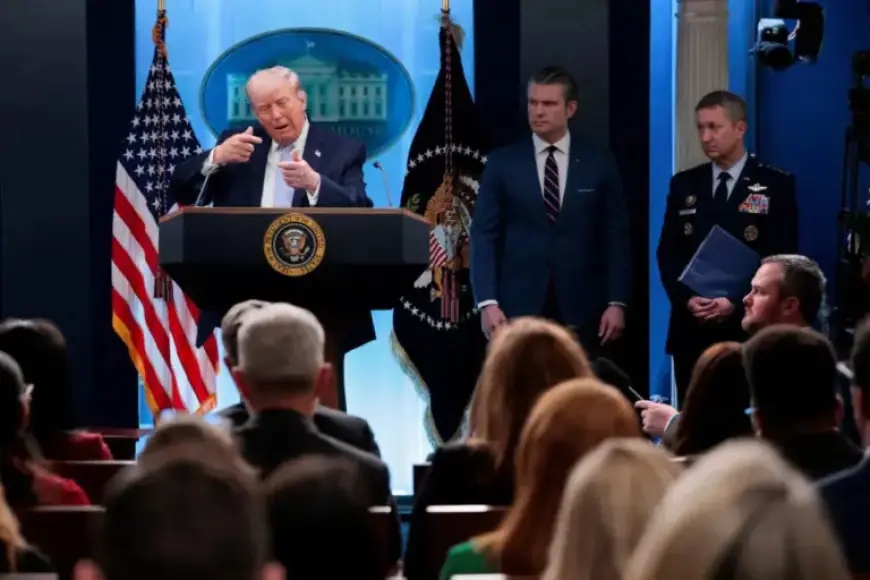
In the wake of a lengthy conflict with Iran, President Donald Trump and Defense Secretary Pete Hegseth proclaimed U.S. military success. They declared that a ceasefire initiated on April 7 marked a victory for the United States.
Trump and Hegseth’s Victory Claims
During a press briefing following the ceasefire, Trump claimed that military objectives had “already been met and exceeded.” He described the outcome as a “total and complete victory.” Hegseth echoed these sentiments, calling the military endeavors of “Operation Epic Fury” a historic success that significantly diminished Iran’s military capabilities.
Military Successes and Casualties
- Over 13,000 military targets were struck.
- More than 90% of Iran’s naval fleet was sunk.
- Approximately 80% of Iran’s air defense systems were destroyed.
- U.S. military losses included 13 personnel killed and hundreds injured.
- Civilian casualties in Iran are estimated at 1,665, including 248 children.
Strategic Setbacks for the U.S.
Despite these military advancements, analysts suggest that calling the situation a total victory overlooks significant challenges. Iran continues to maintain control over the Strait of Hormuz, a crucial maritime route for global oil and other commodities. The country also retains its stockpiles of highly enriched uranium, which are essential for its nuclear ambitions.
Implications for U.S. Foreign Policy
Trump administration officials cited various reasons for engaging in the conflict, including supporting the Iranian populace, preventing nuclear proliferation, and fostering regime change. However, it remains unclear if the U.S. has secured commitments from Iran to achieve these objectives.
Future Consequences
Experts warn that the strategic advantage Iran gained during this conflict could reshape regional dynamics. Kelly A. Grieco emphasized that Iran’s newfound status as a “gatekeeper” of the Strait of Hormuz poses long-term challenges for U.S. interests. This shift provides Tehran with economic leverage over oil and other vital commodities.
Moreover, the kills of key Iranian leaders could propel Iran towards a more radical stance. The conflict has strained U.S. relationships with NATO allies, who were not consulted about the military actions, complicating international coalitions against shared threats.
Restocking U.S. Military Supply
The conflict has resulted in significant depletion of U.S. military resources, including munitions and missiles. Replenishing these supplies will require considerable time and financial investment. Analysts suggest that the global response to this conflict, alongside Iran’s motivations, may incentivize nuclear proliferation among other nations.
As the complexities of the ceasefire unfold, experts continue to evaluate the broader implications of the U.S. involvement in the Iran war. The true nature of the outcomes remains a subject of ongoing analysis and debate.