























Experts Warn: Supply Chain Disruptions Threaten Construction Industry

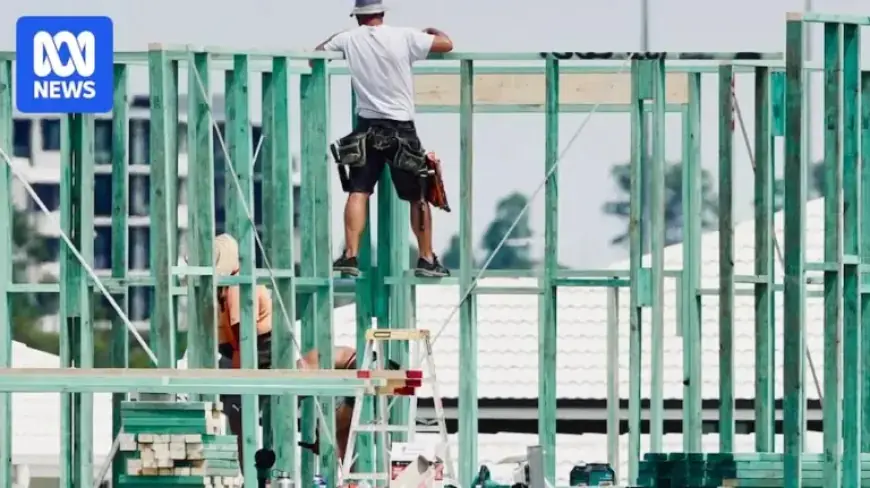
Recent events have shone a harsh light on the construction industry’s vulnerability due to global supply chain disruptions. The ongoing conflict in the Middle East is significantly affecting material costs and project timelines, creating a landscape of uncertainty for builders and contractors alike.
Significant Cost Increases for Home Builders
Graeme Collins and his wife recently faced a staggering price increase of $120,000 for their recently initiated home project in Pyalong, Victoria. Their construction was delayed for five years due to the COVID-19 pandemic, but as they resumed, the conflict in the Middle East disrupted stability, dramatically inflating costs.
- Initial site preparation costs have doubled, rising from $14,000 to $28,000.
- Diesel prices have surged, impacting every aspect of construction.
With a fixed-price contract in place, Collins expressed concern for both his finances and those of local builders facing similar challenges.
Impact on the Civil Construction Sector
Andrew Mahar, the owner of Central Vic Civil in Ballarat, also reported troubling cost escalations. His firm is experiencing price hikes of:
- 50% for asphalt materials.
- 30-40% for PVC products and various utility infrastructure materials.
Mahar stressed that most civil construction firms operate under fixed-price contracts, leaving little latitude to absorb fluctuating costs. Without adjustments to these contracts, many companies may face insolvency and significant layoffs.
Widespread Industry Concerns
The Civil Contractors Federation (CCF) has raised alarming forecasts, suggesting that thousands of construction businesses could fail amid skyrocketing costs. Their report highlights that insolvency rates have doubled since the onset of the COVID-19 pandemic, with up to 3,500 businesses collapsing over the last year.
Mr. Proud from the CCF emphasized the construction industry’s acute dependency on diesel fuel, indicating that rising prices create a recipe for disaster. Urgent government intervention is necessary to stabilize the industry.
Government Response and Recommendations
Recommendations have been made for immediate support, including:
- Updating the Liquid Fuel Emergency Act to designate construction as an “essential user” of fuel.
- Adjusting contract values in response to significant cost increases.
- Providing temporary financial support for projects struggling with rising costs.
Economist Saul Eslake has described the current scenario as potentially more severe than the disruptions caused by COVID-19. Unlike previous crises, the present situation threatens availability of fuel, amplifying risks for the construction sector.
The Future of Construction Amid Supply Chain Disruptions
As global supply chain issues and crises persist, experts anticipate that prices will not revert to pre-February levels. The construction industry’s ability to meet governmental housing targets and complete major infrastructure projects is at stake, highlighting the urgent need for strategic planning and support from all levels of government.
While the Australian government acknowledges these challenges, it is imperative that ongoing support and adaptation measures are implemented to safeguard the future of the construction industry in the face of persistent external pressures.