
























IMF Warns of Impending Inflation Crisis Driven by US Economy

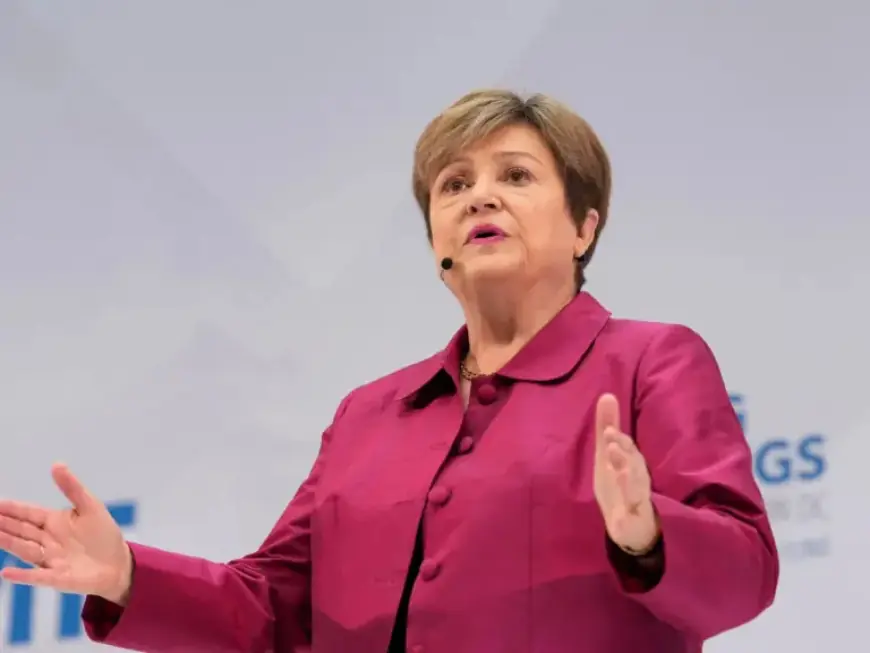
The International Monetary Fund (IMF) has sounded the alarm over a possible inflation crisis spurred by the ongoing conflict between the United States and Iran. This warning comes amidst the backdrop of the US-Israel war, which has significantly clouded global economic forecasts. IMF Managing Director Kristalina Georgieva announced that the organization’s growth predictions will likely be revised downward next week.
IMF’s Growth Forecasts and Economic Implications
Georgieva indicated that without the disruptions caused by the geopolitical conflict, the IMF would have been looking at an upward revision of global growth estimates. Instead, she outlined a challenging economic landscape, characterizing even the most optimistic scenarios as involving growth downgrades. In January, the IMF had upgraded its global growth projection to 3.3 percent but now faces a reassessment due to the escalating conflict.
Effects of the Conflict
The war, which erupted on February 28, has had numerous economic repercussions:
- Increased prices for oil and natural gas.
- Damage to critical energy infrastructure, including refineries and tanker terminals.
- Disruption of fertilizer shipments, affecting agricultural output worldwide.
- Decreased consumer and business confidence.
These factors have compounded the economic challenges already facing countries involved in the conflict. Georgieva urged member nations to strengthen their economic frameworks to build resilience, especially given the growing burden of defense expenditures.
US Economic Outlook Amidst Conflict
Interestingly, despite the instability and conflict, the IMF report indicated that the US economy may remain insulated from significant downturns. This resilience can be attributed to the lack of physical infrastructure damage on US soil, along with potential boosts from increased defense spending.
Central Bank Actions and Inflation Concerns
Central banks globally, including the US Federal Reserve, face mounting pressure to manage inflation effectively. Georgieva emphasized the need for the Fed to prevent inflation from spiraling out of control, especially as they prepare for a crucial policy meeting set for April 28-29.
Moreover, the IMF expects that the US Congress will approve measures to increase its quota lending resources by 50 percent this year. This increase would allow the IMF to tap into its $1 trillion lending capacity more effectively, providing necessary financial reassurances amid uncertain global conditions.
Conclusion
The IMF’s warning about an impending inflation crisis reflects broader economic concerns linked to the ongoing US-Israel conflict. As the global economic landscape shifts, member countries must take proactive steps to mitigate potential impacts and bolster their economic stability.