























Thierry Frémaux Explains Lack of Hollywood Films at Cannes

The Cannes Film Festival is facing scrutiny regarding the noticeable absence of major Hollywood productions in its 2026 lineup. Instead, U.S. representation comprises films like Ira Sachs’ *The Man I Love*, Jane Schoenbrun’s *Teenage Sex and Death At Camp Miasma*, and Jordan Firstman’s *Club Kid*. Other notable entries include Andy Garcia’s *Diamond*, John Travolta’s *Propeller One-Way Night Coach*, and special screenings for Steven Soderbergh’s *John Lennon: The Last Interview* and Ron Howard’s *Avedon*. However, expectations remain high for James Gray’s *Paper Tiger* to potentially join the roster.
Frémaux on Hollywood’s Current State
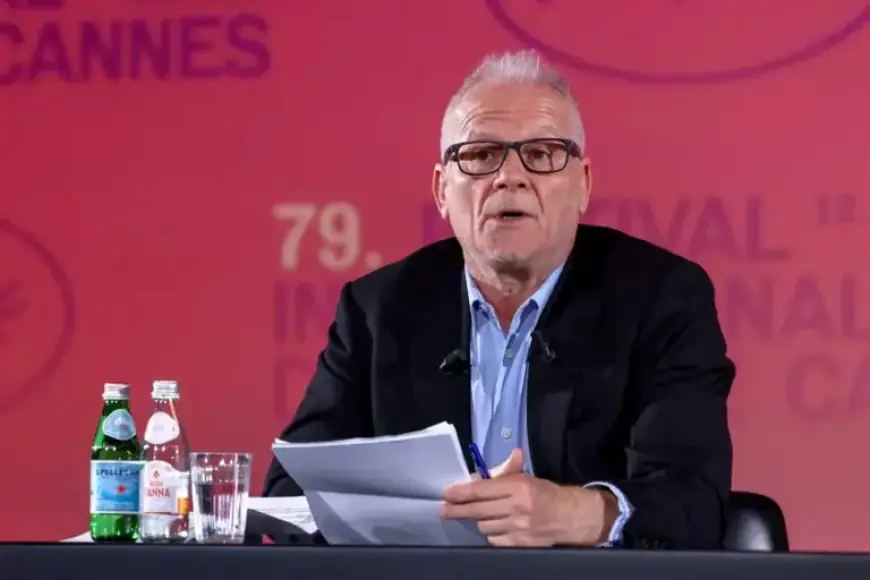
Thierry Frémaux, the festival’s director, discussed these trends in an interview with Deadline. He attributed the lack of U.S. studio films to the current state of Hollywood, noting the significant challenges faced over the past five years, including the pandemic, strikes, and natural disasters. Despite this absence, Frémaux reassured that American studio executives would attend, emphasizing Cannes as a pivotal gathering for global cinema.
Challenges Facing American Cinema
- Impact of the COVID-19 pandemic
- Writers and actors’ strikes
- Wildfires affecting film production
Frémaux expressed a sense of nostalgia for the golden era of studio filmmaking, recalling how audiences had a strong connection to American cinema. “I feel nostalgic for that golden age when studios used to produce a lot of films,” he stated.
He emphasized the importance of Cannes for independent American cinema. The festival showcased the success of films like Sean Baker’s *Anora*, which won the Palme d’Or in 2024, and last year’s Grand Jury Prize winner, *Sentimental Value*, which won the Oscar for Best International Feature Film in March 2026.
Oscar Success Connected to Cannes
Frémaux highlighted that the connection between Cannes and the Oscars is gaining strength. Many films that premiered at Cannes have found critical acclaim at the Academy Awards. He noted that while the future is unpredictable, the festival continues to serve as a launchpad for films that resonate with audiences and critics alike.
Current Selection and Historical Context
This year’s selection has arrived amid the backdrop of a fragile ceasefire in the Iran War, as noted during the announcement in Paris. Despite contemporary issues, the lineup includes films primarily set during the World Wars. Frémaux explained that period films can provide insight into modern dilemmas, saying, “A period film is more a question about today than a description about the past.”
- Lukas Dhont’s *Coward* (WWII drama)
- Lázsló Nemes’ *Moulin*
- Daniel Auteuil’s *Une Nuit*
- Charles de Gaulle biopic *De Gaulle: Tilting Iron*
Frémaux concluded with a reflection on the enduring mission of cinema: to foster understanding among audiences. “It’s there, watching the film on the big screen, where we understand who we are and who are the others,” he remarked.