
























California Faces ‘Super’ El Niño: Expect Rain, Floods, and Erosion

Indicators now point toward an El Niño forming later this summer. Scientists warn it could evolve into a Super El Niño with major consequences for California.
Forecasts and probabilities
Europe’s ECMWF model shows Pacific sea surface temperatures possibly 2°C above seasonal averages. NOAA assigns roughly a 25% chance that threshold will be reached by late fall.
Noaa forecasters see more than a 90% chance an El Niño will form by autumn. They place about a 50% probability that it will be at least a strong event.
How El Niño works
El Niño is a phase of the El Niño–Southern Oscillation. Changes in tropical trade winds allow warm water to shift east across the Pacific.
That warm water releases heat into the atmosphere. It often alters polar and tropical jet streams and redirects storm tracks.
Potential impacts for California
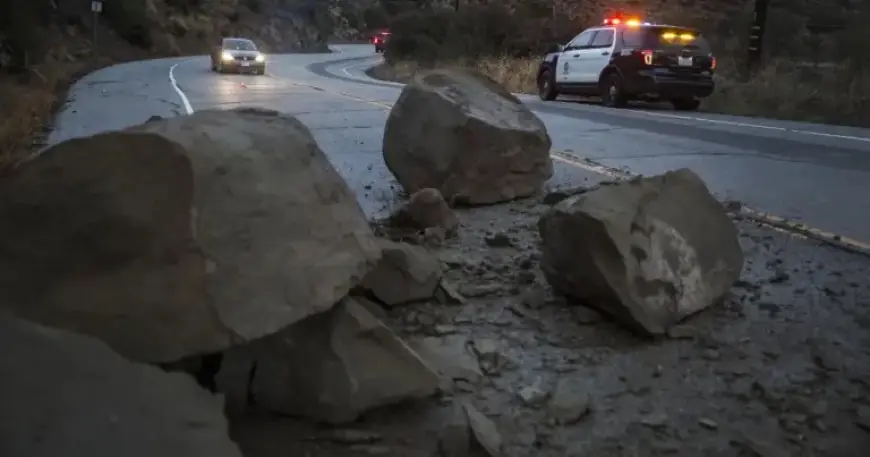
Southern California could expect rain, increased flood risk and coastal erosion. A Super El Niño would raise odds of wet winters and debris flows.
Stronger subtropical jet streams tend to bring more moisture from the south. That can reduce wildfire risk but increase flooding and shoreline damage.
Water supply and wildfires
Wet winters can refill reservoirs and lessen fire danger. Early fall rains might tamp down Santa Ana winds and reduce fire starts.
Flooding and erosion
Intense storms and atmospheric rivers can trigger floods and debris flows. Coastal infrastructure and beaches face heightened erosion risks.
Historical context
The 1997–98 El Niño brought relentless storms to California. Those storms caused flooding, debris flows, property loss and 17 fatalities.
In 1982–83, powerful storms destroyed piers and removed part of the Santa Monica Pier. By contrast, the 2015–16 super El Niño produced near-average statewide rainfall.
Researchers estimate a roughly 20% chance this event could exceed the strength of any since the late 1870s. That decade saw catastrophic droughts in multiple regions.
Marine and ecological effects
El Niño can reduce plankton nutritional quality. Scientists link that change to past marine die-offs along the California coast.
Warm ocean conditions from 2013 to 2016 contributed to mass deaths of sea lion pups. Marine Mammal Center officials say they are monitoring ocean data closely.
Uncertainty and outlook
Forecasters caution that tropical Pacific conditions are hard to predict in spring. ECMWF principal scientist Tim Stockdale says clarity usually improves by late May or June.
Some research suggests climate change may increase the frequency of rapid swings from La Niña to El Niño. But precise local outcomes remain uncertain.
Filmogaz.com will continue covering developments as models update and conditions evolve.