



















Political Oversight Intensifies in Texas Tech and A&M Classrooms

The landscape of higher education in Texas is witnessing significant changes due to increased political oversight. This has become particularly evident at Texas Tech University and the Texas A&M University System, prompting protests and discussions surrounding academic freedom.
Student Protests and Academic Censorship
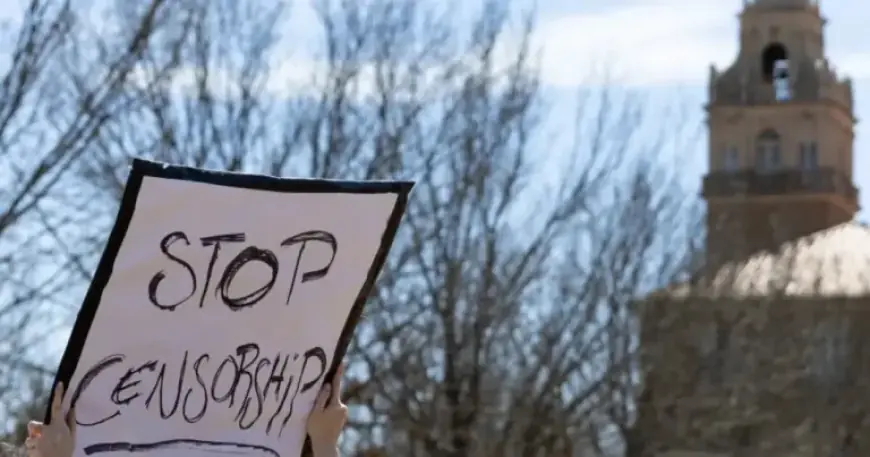
In late February 2026, students and faculty members from Texas Tech University convened in Lubbock to voice their opposition to imposed changes in course content. Demonstrating with chants such as “Stop censorship” and “Let teachers teach,” the rally highlighted a growing concern among educators and students about restrictions imposed on academic teaching.
- Texas Tech faculty have reported restrictions on teaching works by gay authors.
- Professor Sara Spurgeon expressed fears about potential repercussions for speaking out.
- Students were alarmed by limits on discussing diverse perspectives in literature.
Curriculum Restrictions at Texas A&M
Alongside Texas Tech, the Texas A&M University System has implemented modifications to course syllabi. These modifications primarily target discussions surrounding race, gender, and sexual orientation.
- Hundreds of syllabi at Texas A&M University were affected.
- Professor Martin Peterson was restricted from using texts by Plato, due to discussions of gender ideology.
Peterson’s comments reflect broader concerns about the implications of political control over academic discourse. He emphasized the importance of allowing exposure to a range of ideas for meaningful education.
Legislative Influence and Academic Freedom
The push for tighter curriculum controls emerges from legislative changes enacted by the Texas Legislature. A new law has centralized authority over educational content within the boards of regents, a move corroborated by expressions from Texas Governor Greg Abbott.
- Abbott called for action against “woke” professors, claiming they influence education unduly.
- This law is seen as a vehicle to curb what some state leaders perceive as ideological indoctrination.
Concerns from Educators and Students
Many faculty members and students worry that these political developments undermine academic integrity. The American Association of University Professors has highlighted this trend as a substantial threat to academic freedom in Texas.
Student voices, such as Marcela Salome Hernández from UT San Antonio, reflect a sentiment that the narrative of indoctrination is misguided. Hernández argued that identities and cultural pride existed prior to university exposure and emphasized the need for students to engage with diverse ideas.
Impact on Academic Environment
The ongoing curriculum review processes and recent faculty firings have raised alarms about the future of education in Texas. Faculty fear that limitations on teaching may lead to diminished academic quality and challenges in attracting qualified educators.
- Universities across Texas are experiencing cuts to gender and ethnic studies programs.
- Consolidation of departments raises concerns about the marginalization of crucial areas of study.
The changes suggest a broader concerted effort to reshape educational experiences in public universities, potentially impacting students’ critical thinking skills and overall understanding of societal issues.
As these developments unfold, the dialogue surrounding political oversight in Texas’s higher education continues to intensify, prompting discussions about the future of academic freedom.