
























Vance Clarifies U.S. Position: Lebanon Not Included in Iran Ceasefire Deal


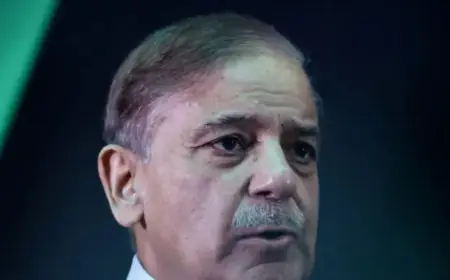
Vice President JD Vance addressed recent statements from Iranian Parliament Speaker Mohammad Bagher Ghalibaf regarding U.S. involvement in a ceasefire agreement. On Wednesday, Vance emphasized that Lebanon was not included in the ceasefire deal, countering claims made by Ghalibaf.
U.S. Position on Ceasefire and Lebanon
During his remarks, Vance described ceasefires as inherently complex. He expressed skepticism about Ghalibaf’s understanding of English and the negotiations, stating, “there are things that he said…that didn’t make sense.”
Ghalibaf accused the U.S. of violating three parts of a ceasefire agreement. These included issues related to continued fire in Lebanon, a drone entering Iranian airspace, and constraints on Iran’s uranium enrichment. Vance noted that if these complaints were the only points of contention, it suggested broader agreements might exist.
Context of Ceasefires
Vance elaborated on the tumultuous nature of ceasefires, citing an instance where missile attacks followed a ceasefire announcement. He remarked, “Ceasefires are always messy.”
- He mentioned early attacks on U.S. allies in the Persian Gulf.
- Explosions were reported on Iranian islands in the Gulf.
Vance confirmed that the U.S. aims to halt all bombing, urging cooperation from both American allies and Iran to de-escalate tensions. He acknowledged that progress takes time, indicating cautious optimism about future discussions.
Misunderstandings in Negotiations
Vance characterized the Iranian claims regarding Lebanon as a “reasonable misunderstanding.” He clarified that the U.S. never assured Lebanon would be part of the ceasefire. “What we said is that the ceasefire would be focused on Iran and America’s allies—both Israel and the Gulf Arab states,” he explained.
He warned against allowing the negotiation process to deteriorate due to misunderstandings. Vance stated, “If Iran wants to let this negotiation fall apart…that’s ultimately their choice.” He reiterated that the ongoing discussions primarily aim to prioritize peace and reduce conflicts within the region.