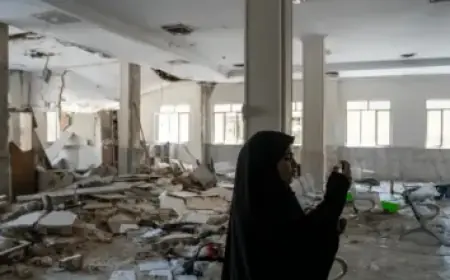

























Pakistan Revives Talks to Secure Iran War Truce

Amid escalating tensions in Iran, Pakistan has successfully mediated a temporary ceasefire following a late-night diplomatic effort. The risk of talks collapsing was imminent after an Iranian attack on a Saudi petrochemical facility sparked outrage in Riyadh, jeopardizing weeks of behind-the-scenes negotiations.
Pakistan’s Diplomatic Efforts
On the brink of failure, Pakistani officials acted decisively to avert a crisis. They coordinated communications between Tehran and Washington as President Donald Trump set a stringent deadline for a resolution. Warning of catastrophic consequences, Trump emphasized the urgency for immediate action.
Key figures involved in the discussions included:
- Pakistani Army Chief Field Marshal Asim Munir
- U.S. Vice President JD Vance
- U.S. Special Envoy Steve Witkoff
- Iranian Foreign Minister Abbas Araqchi
- Revolutionary Guards Commander Ahmad Vahidi
Ceasefire Agreement
After intense negotiations lasting several hours, Iran agreed to a ceasefire and entered talks without preconditions. This agreement came as Pakistan expressed its deepest concerns about the Iranian strike on Saudi Arabia, necessitating assurances from the U.S. regarding restraints on Israeli military actions.
U.S. Involvement and Israeli Concerns
In the backdrop of the ceasefire discussions, Israeli officials were reported to be opposed to the deal, believing that further military actions could enhance their strategic position against Iran. Despite this, they ultimately deferred to U.S. decisions regarding the truce.
A source highlighted that Israel had conveyed its dissatisfaction with the ceasefire agreement. Nevertheless, a potential military escalation could be avoided, provided certain guarantees were received from Washington regarding Israeli military restraint.
Conditions for Negotiations
The negotiations set to commence aimed to address key issues that had stymied progress previously. Among the topics to be discussed were:
- Iran’s sovereignty over the Strait of Hormuz
- Iran’s nuclear ambitions
The U.S. emphasized that the negotiations would hinge upon Iran’s agreement to halt uranium enrichment and mitigate threats posed by its ballistic missile program.
Future Steps
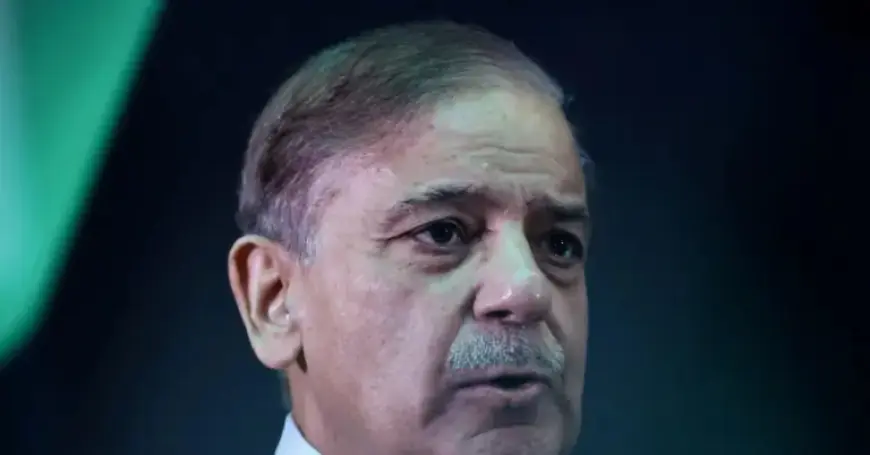
The U.S. delegation, led by Vice President Vance, is scheduled to meet with Iranian representatives in the upcoming talks. Pakistani Prime Minister Shehbaz Sharif reinforced the call for a ceasefire, stressing the importance of the peace process across the region.
As the diplomatic landscape evolves, the potential influences of diplomatic negotiations could reshape not only the immediate conflict but also the broader geopolitical dynamics in which Pakistan plays a pivotal role.