
























New Laws Enhance Living Conditions for Egg-Laying Hens in Cages

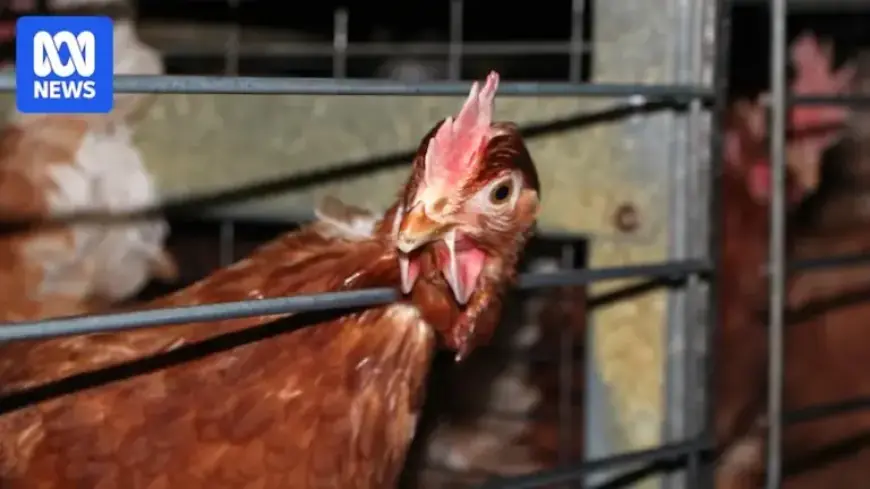
Victorian egg farmers are facing significant changes as the state government has committed to improving living conditions for egg-laying hens in cages. New legislation aimed at enhancing poultry welfare standards will soon ban conventional laying cages in Victoria.
New Regulations for Egg-Laying Hens
By mid-2023, all new chicken cages in Victoria must incorporate specific enhancements. These include:
- Nesting areas
- Perches or platforms
- Scratch areas for natural behaviors
These improvements align with national welfare standards established in 2023. The full ban on conventional cages is expected to take effect by 2036.
Industry Concerns and Response
The Victorian Farmers Federation’s egg group president, Brian Ahmed, expressed frustration over the government’s lack of communication regarding these new regulations. Farmers feel blindsided, particularly since they were promised further consultation.
The shift in regulations has raised concerns among farmers about being forced to shut down operations. Currently, caged eggs account for approximately 32% of Australia’s national egg production. These eggs are commonly used in various sectors, including hospitality and pre-prepared food products.
In supermarkets, caged eggs represent about 2% to 6% of egg sales. The new regulations will apply only to cages that are newly built, but by 2036, all existing cages must comply with the updated standards.
Investment and Compliance Challenges
Farmers had recently invested in new facilities to address bird flu impacts, based on existing regulations. However, they worry that these investments may soon be deemed non-compliant with the incoming standards.
Ahmed highlighted the need for protecting current investments, stating, “Farmers can’t spend all that money and be told to shut down.” Without clearer communication and timelines from the government, producers face uncertainty.
Broader Animal Welfare Legislation Delayed
Further complicating matters, the Victorian government has postponed the modernization of broader animal welfare laws until after the state election in November. This includes the draft Animal Care and Protection Bill aimed at replacing the Prevention of Cruelty to Animals Act 1986.
A spokesperson from the Victorian government reassured that the new poultry standards will be adopted under current laws, unaffected by the timing of the proposed animal welfare bill.
Positive Impacts on Hen Welfare
Experts believe the updated regulations will enhance the living conditions for hens. Lauren Hemsworth, an associate professor in animal welfare at Melbourne University, stated that enabling hens to exhibit natural behaviors like perching and dust bathing is crucial for their well-being.
Although these changes aim to improve hen welfare, the caged egg system will remain essential for maintaining a stable egg supply chain in Australia. Hemsworth acknowledged the duality of the system, offering climate control and disease management benefits.
Nonetheless, she emphasized the importance of effective communication from the government. With substantial investments required to implement these changes, clarity will be vital for farmers navigating the new landscape.