




















Australians Embrace Bikes and Trikes Amid Rising Fuel Costs from Iran Conflict

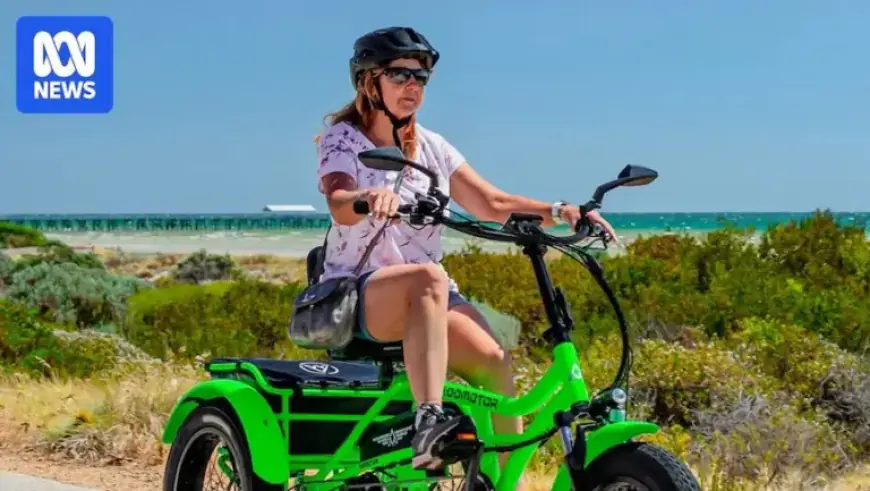
As fuel prices continue to climb, many Australians are shifting towards cycling, specifically bikes and tricycles. The ongoing conflict in Iran has disrupted global oil supplies, pushing local fuel prices above $2 a litre for unleaded and $3 for diesel. As a result, cycling is emerging as a cost-effective alternative to driving.
Rising Demand for Cycling
Businesses in the cycling industry are witnessing a surge in interest in electric tricycles and traditional bikes. Michael Coates, the founder of Trike Bike Australia, noted a spike in inquiries and sales, reporting an increase of 30% to 40% in recent weeks. Most of his clientele consists of retirees who are looking to eliminate their car expenses.
Consumer Focus
- Older customers, mainly those over 60, are leading the shift.
- Frugality drives the decision to switch from cars to bikes for everyday tasks.
Peter Bourke, general manager of Bicycle Industry Australia, reported an uptick in both e-bike purchases and repair services across member businesses. Many customers are pulling old bikes out of storage, realizing the utility they hold now more than ever. This trend has led to a notable demand for servicing and upgrades.
Health and Environmental Benefits
Bourke emphasizes the broad benefits of increased cycling, which include improved health, reduced traffic congestion, and lower emissions. Fewer cars on the road also contribute to a decrease in accidents.
Workshop Experiences
While sales of new bikes have not significantly surged in some areas, there has been an increase in demand for bike repairs. Ryan Billszta of Samson Cycles noted that many customers prefer to repair existing bikes rather than invest in new ones.
In Carlton North, Velo Cycles is experiencing a similar trend, with many long-dormant bikes being revived for use. General manager Stuart Armstrong stated that many customers are bringing in bikes that have been neglected for years.
Wider Impact in Regional Areas
The trend is not limited to urban settings. Brett Lancaster, owner of Leading Edge Cycles in Shepparton, reported an upward trend in workshop activity. He highlighted how rising costs of living and interest rates are encouraging people to revive old bikes for commutes.
Conclusion
As the ongoing conflict in Iran continues to affect fuel prices, more Australians are embracing bikes and trikes. This movement not only addresses rising costs but also promotes health, sustainability, and community connectivity. The bicycle industry stands poised to meet this growing demand, offering both sales and repair services to assist those transitioning to cycling.