











BrewDog vs. Innis & Gunn: Why One Collapse Garnered Sympathy, the Other Didn’t

Two Scottish beer brands collapsed recently, but public reaction varied sharply. The downstream effects included job losses and asset sales.
Job losses and asset sales
BrewDog closed 38 pubs before entering administration. Nearly 500 jobs were lost as a result.
Tilray Brands bought 11 of those pubs. The deal was worth £33 million and included the brewery in Ellon.
Innis & Gunn’s collapse cost around 100 jobs. Losses affected three taprooms in Glasgow and Edinburgh and the Inveralmond Brewery in Perth.
The Innis & Gunn brand and global IP sold for £4.5 million. C&C Group, owner of Tennent’s Lager, made the purchase.
C&C will continue brewing Innis & Gunn beers at Wellpark Brewery in Glasgow. That brewing had been carried out under contract for years.
Reputations and public reaction
Both firms rose during Scotland’s craft beer boom. They helped reshape the sector over two decades.
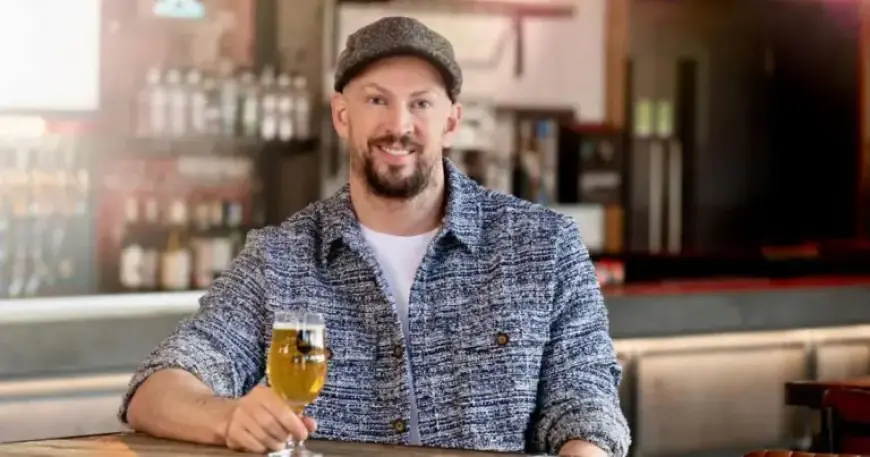
James Watt, BrewDog’s co-founder and former chief executive, expressed regret at the business’s failure. Dougal Sharp, founder and former boss of Innis & Gunn, did likewise.
Reaction to each statement differed markedly. Sympathy for Watt was notably limited.
Many critics had accumulated around BrewDog after numerous controversies. Some former staff still voiced gratitude for the experience.
By contrast, responses to Innis & Gunn’s collapse leaned more sympathetic. Sharp had campaigned for the wider brewing and pub industries.
Why views diverged
Observers have debated why one collapse received sympathy while the other did not. Public perception of leadership played a key role.
BrewDog was accused of using aggressive tactics and of disparaging peers. That approach eroded some goodwill.
Sharp avoided attacking fellow producers and often criticised politicians to support the trade. That stance appears to have fostered empathy.
Union Corner fire and regeneration hopes
Separately, the Union Corner fire devastated a Victorian building in Glasgow. The blaze hit businesses in the immediate area hard.
Architects and commentators see a potential chance to rebuild. Some suggest a retail and hospitality scheme like St Pancras Station could be viable.
Proposals include extending Central Station into the vacant site. Such schemes would face complex planning and conservation challenges.
Commentators pointed to the Glasgow School of Art’s experience with major fires as a cautionary tale. Still, many remain cautiously optimistic about future regeneration.
Culture: commemorative t-shirt for the World Cup
Glasgow kilt maker Slanj teamed with actor John Gordon Sinclair on a commemorative t-shirt. The release marks Scotland’s World Cup participation.
The design came from an original drawing by Sinclair. It celebrates Scott McTominay’s overhead kick that sealed qualification versus Denmark in November.
Sinclair, who sang on Scotland’s 1982 World Cup record “We Have a Dream,” declined to reprise his vocal role. He instead contributed the artwork for the garment.
- Key figures: James Watt, Dougal Sharp, John Gordon Sinclair.
- Locations: Ellon, Glasgow, Edinburgh, Perth, Wellpark Brewery.
- Deals: Tilray Brands £33m purchase; C&C Group £4.5m acquisition.