
























Did Trump Emulate Russian Strategy in Iran Ceasefire Deal?

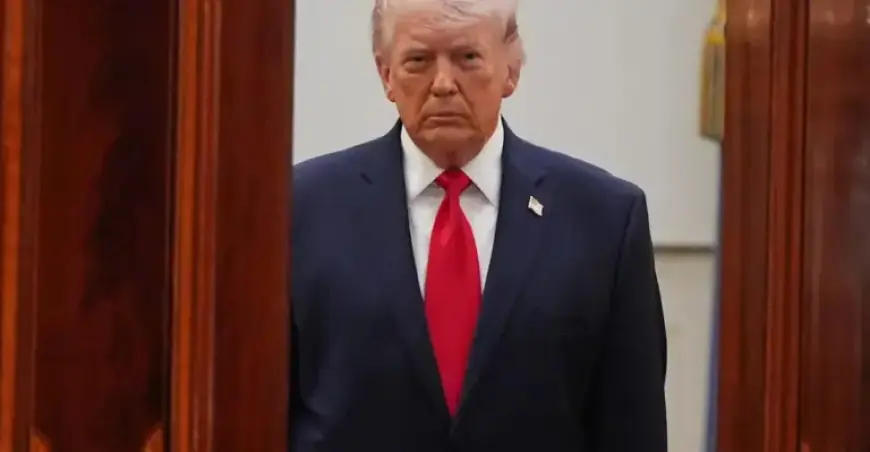
President Donald Trump’s recent shift in stance regarding Iran has led to widespread analysis on whether he adopted a Russian-style strategy to navigate the escalating conflict. This sudden change, which saw Trump move from threatening a severe military response to advocating for negotiations, has sparked curiosity among international observers.
Understanding the “Escalate to De-escalate” Concept
The term “escalate to de-escalate” describes a doctrine often attributed to Russian military strategy. It suggests that a nation may demonstrate its willingness to use tactical nuclear weapons early in a conflict to deter a stronger adversary. Although the Russian government denies the existence of this strategy, its implications resonate in discussions surrounding Trump’s recent rhetoric.
Trump’s Escalation and Ceasefire Announcement
On a Tuesday morning, Trump issued alarming threats regarding Iran, claiming he could destroy “a whole civilization.” This intense rhetoric led to widespread speculation about the potential for nuclear action. However, the White House quickly moved to dismiss any such suggestions, emphasizing that nuclear options were never on the table.
Following his threats, Trump announced a two-week ceasefire with Iran, reportedly influenced by Pakistani mediation. He claimed that negotiations could commence based on a 10-point proposal received from Iran.
Key Features of the Iranian Proposal
- Iran will not face any further military attacks for the duration of the ceasefire.
- There will be an end to Israeli strikes against Hezbollah in Lebanon.
- Sanctions on Iran will be lifted, in exchange for reopening the strategic Strait of Hormuz.
- Iran’s commitment to halt uranium enrichment or to surrender its current stockpile remains absent from the proposal.
The Iranian government heralded this development as a successful outcome, asserting that Trump had conceded to their terms. However, it remains challenging to envision the U.S. accepting arrangements that would effectively permit Iran to advance its nuclear capabilities.
The Strategic Repercussions
Iran’s prior closure of the Strait of Hormuz, vital for global oil transit, significantly shifted the power dynamics in the conflict. While the reopening of this strategic passage as part of the ceasefire can offer temporary relief, Iran retains leverage by maintaining the option to close it again, further complicating future negotiations.
Simultaneously, Iran’s military capabilities have suffered greatly due to ongoing strikes by the U.S. and Israel. This precarious situation exposes Tehran to both internal dissent and external threats, making it vulnerable during this diplomatic reprieve.
Conclusion: A Familiar Strategy?
This latest development may not signal a definitive victory or an enduring de-escalation. Instead, it may reflect a recurring strategy commonly seen in Middle Eastern conflicts, likened to “mowing the grass.” Observers continue to evaluate Trump’s approach and its effectiveness in this complex geopolitical landscape, questioning whether it truly served to enhance U.S. interests in the region.