






















Trump Administration Predicts Extended Economic Challenges

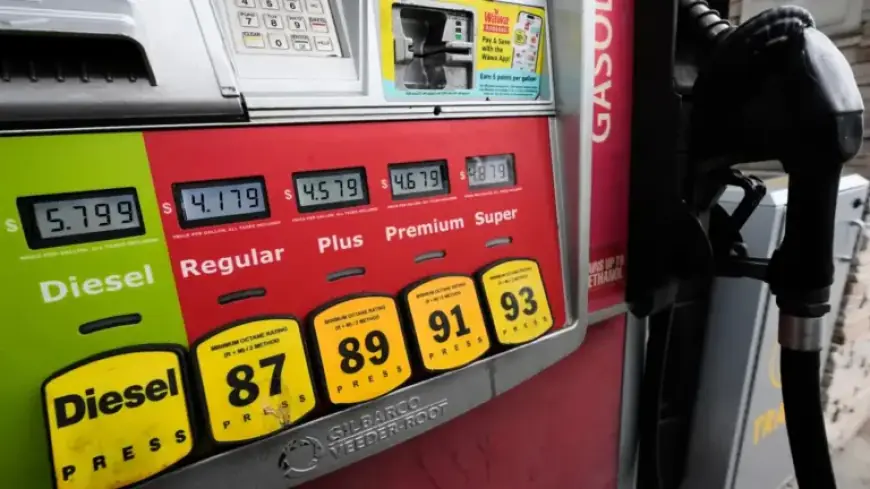
The Trump administration’s economic outlook indicates that U.S. gasoline prices are expected to remain elevated for the remainder of the year. According to the U.S. Energy Information Administration (EIA), the average monthly gasoline price could peak at around $4.30 per gallon in April. Following that, prices are projected to stay above $3.70 per gallon throughout the year, pending the resolution of ongoing tensions in the Strait of Hormuz.
Future of Gas Prices Amidst Geopolitical Tensions
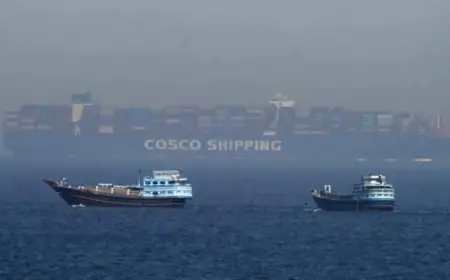
Tristan Abbey, the EIA’s administrator, emphasized the complexities in predicting oil and gas market responses due to the current geopolitical instability. The agency faces significant challenges in forecasting outcomes related to the Strait of Hormuz’s closure.
Key Forecasts from the EIA
- Projected peak gasoline price in April: $4.30 per gallon.
- Estimated average gasoline price for the year: above $3.70 per gallon.
- Expected diesel price peak in April: over $5.80 per gallon.
- Anticipated average diesel price for the year: around $4.80 per gallon.
Abbey explained in a press release that the EIA’s modeling depends on assumptions about the duration of the closure. He noted that the challenges include estimating production shut-ins and considering that the reopening of the strait may not happen quickly. Full restoration of oil flows could take several months.
Economic Impact of Rising Oil Prices
The impact of rising fuel prices is significant, particularly with regard to the broader economy. Although diesel prices may not directly affect many consumers, they influence shipping and transportation costs, leading to higher prices for goods such as food and consumer products.
Uncertain Resolution to the Strait of Hormuz Situation
As tensions in the region escalate, President Donald Trump has publicly expressed frustration. His statements emphasize the urgency of resolving the conflict in the Strait of Hormuz, warning that failure to act could lead to severe consequences.
The EIA’s analysts caution that if the geopolitical issues are not resolved by the end of April, the agency is unable to provide accurate pricing forecasts. They anticipate that future disruptions to oil trade routes could further increase oil prices.
In conclusion, the ongoing situation in the Strait of Hormuz has serious implications for U.S. gasoline and diesel prices. With uncertainty surrounding the conflict, consumers and businesses alike should be prepared for continued economic challenges.