























Iran Reopens Strait of Hormuz: Oil Prices Drop Amid Ceasefire

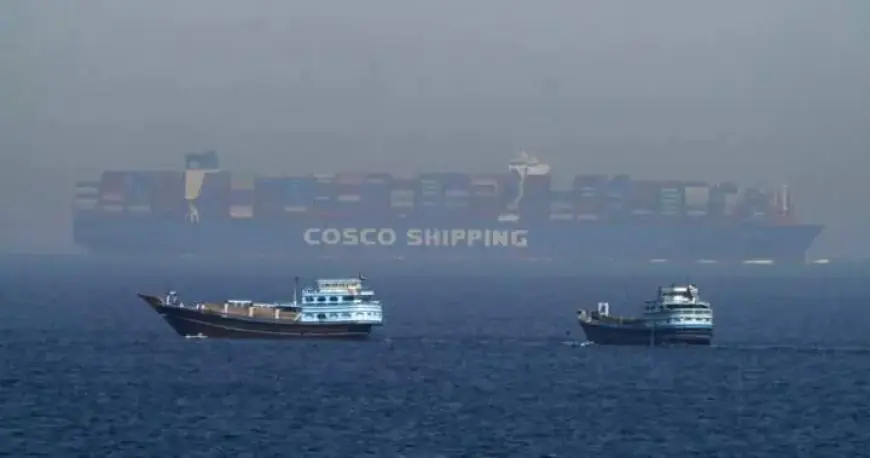
Oil prices experienced a notable decline on Wednesday following Iran’s decision to reopen the Strait of Hormuz. This announcement correlates with a two-week ceasefire with the United States. The reopening of the strait may potentially ease tensions and improve oil supply routes.
Oil Price Movements
On the morning of the announcement, benchmark U.S. crude prices plummeted by US$16.47, settling at US$96.48 per barrel. Similarly, Brent crude, the global standard, fell US$13.79 to reach US$95.48 per barrel.
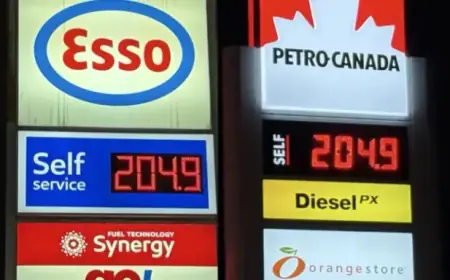
In Canada, the national average for regular unleaded gasoline rose slightly to $1.82.4 per litre, reflecting only a minor increase of two cents from the previous day. CAA data indicates fluctuating fuel prices amidst the ongoing situation.
Ceasefire Details and Reactions
The ceasefire, described as fragile, has sparked cautious optimism in markets. Tim Waterer, a chief market analyst, suggested that while the situation is positive, it remains uncertain whether shipping through the Strait of Hormuz will return to normal.
In a related statement, U.S. President Donald Trump acknowledged a ten-point proposal from Iran designed to end hostilities. This proposal includes renewing safe passage protocols through the Strait of Hormuz and lifting sanctions.
Global Political Responses
- Prime Minister Benjamin Netanyahu expressed support for the U.S. ceasefire but emphasized that it does not extend to conflicts against Hezbollah in Lebanon.
- Iran’s Foreign Minister confirmed that military management would allow shipping through the strait for two weeks.
- Canadian Prime Minister Mark Carney urged all parties to respect international laws, specifically concerning civilian safety and infrastructure.
Historical Context and Future Outlook
The Strait of Hormuz is a critical channel for global oil shipments. Its closure has previously led to significant price surges in oil markets. Analysts are monitoring the situation closely as the two-week ceasefire progresses.
Market dynamics will depend heavily on whether the ceasefire transitions into a longer-term peace agreement. As shipping companies rush to adapt their operations, the overall implications for oil prices and Canadian gas stations remain to be fully realized.