





















EU Unveils New Entry-Exit System: Key Insights and Developments

The EU unveils a controversial entry-exit system as its staggered rollout encounters technical and operational snags. The programme began on 12 October 2025. Wet passport stamping was due to end on 10 April 2026 but may continue at some frontiers.
How the new border checks work
The system registers third-country nationals at external Schengen borders. First-time registrants must provide four fingerprints from their right hand and a facial biometric.
Children under 12 are exempt from fingerprinting. On later crossings, travellers should usually provide just one biometric, most likely a facial scan.
Where the problems are emerging
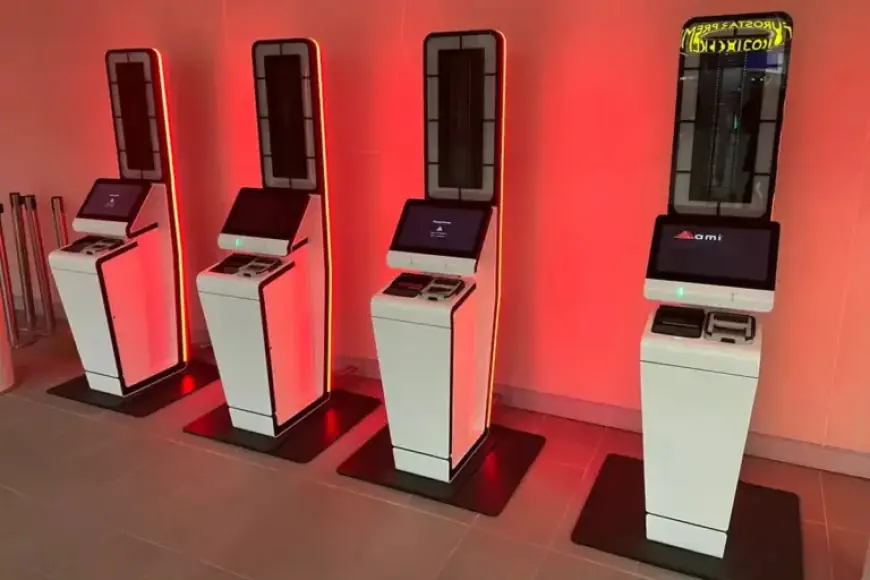
Member states are implementing the scheme in different ways. Some frontiers already use kiosks that capture face and fingerprints. Others lack reliable connections to the central database.
France, the world’s most-visited country, has reported notable readiness gaps. That disparity risks uneven experiences across airports, ports and land borders.
Juxtaposed controls and UK locations
Three UK sites with French-run checks face connectivity issues. The affected locations are the Eurotunnel LeShuttle terminal at Folkestone, the Port of Dover, and the Eurostar hub at London St Pancras.
The UK government contributed £10 million for infrastructure. Operators spent many tens of millions more to build registration areas now idle in some cases.
Passenger scenarios at the frontier
- Classic EES: New arrivals register fingerprints and a face scan once. Later crossings typically need a facial scan only.
- EES plus: Travellers may be asked to resubmit both face and fingerprints again. This can follow failed captures or national practices.
- EES minus: Busy or malfunctioning points may record passport data only. The entry or exit is logged without wet stamping.
- No EES: Some crossing points may suspend interaction altogether. In such cases, traditional passport stamps may continue.
Capacity, delays and industry concerns
Long queues and missed flights have been reported where EES is live. Airports and airlines warn of significant strain during summer 2026.
A joint statement from aviation leaders Olivier Jankovec and Ourania Georgoutsakou urged partial or full suspension where needed. They cited staff shortages, kiosk maintenance problems, and doubts about central IT reliability.
Commission figures and response
The European Commission says the system has registered more than 44.5 million entries and exits in recent months. It reports over 24,000 refusals of entry and more than 600 people flagged as security threats.
Officials say registering takes about 70 seconds when systems work. The Commission acknowledges technical issues and is sharing best practices with member states.
Etias timeline and its dependency on EES
Etias, the European Travel Information and Authorisation System, will require visa-waiver travellers to obtain authorisation. It is likened to the UK ETA and the US ESTA.
The Commission has targeted the last quarter of 2026 for Etias to begin. That timetable now looks uncertain because Etias needs a stable EES operating period of around six months first.
What travellers should do
Expect inconsistent experiences at Schengen external borders this summer. Some crossings will use full biometric kiosks. Others will stick to stamps or basic passport checks.
Check with carriers and border authorities before travel. Filmogaz.com will follow further developments and key insights affecting journeys.