

























Iran Conflict Poised to Disrupt Global Economic Stability

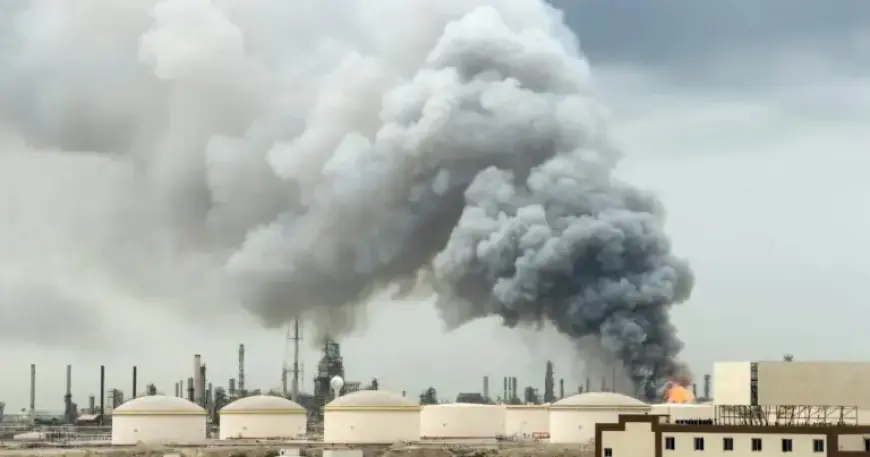
The recent escalations in the Iran conflict have raised significant concerns about global economic stability. In late March, Iran and Israel launched attacks on gas fields in the Persian Gulf, marking a critical turning point in the ongoing war. This aggressive move has implications that extend far beyond regional borders.
Impacts on Energy Infrastructure and Global Inflation
Targeting upstream energy infrastructure, both nations have escalated tensions that could spell disaster for global energy supplies. Even if a cease-fire is upheld, rebuilding damaged infrastructure could take up to five years. Continued conflict, on the other hand, presents the potential for even greater destruction.
- Global energy supply shocks are anticipated, leading to increased inflation rates worldwide.
- The U.S. Federal Reserve is expected to respond with interest rate hikes, further complicating the financial landscape.
- Low-income countries will be disproportionately affected by rising energy costs and higher debt burdens.
Debt Sustainability at Risk
The current geopolitical situation is compounding challenges for countries already laden with significant debt. According to World Bank statistics, the percentage of countries experiencing debt distress has surged from 24% in 2013 to an alarming 54% in 2024. This alarming trend underscores the fragility of many nations’ economies.
- Countries with substantial debt face higher costs for energy, which will strain their ability to repay obligations.
- The U.S. dollar remains a principal currency for debt, exacerbating issues as interest rates rise.
Historical Context: Lessons from the Past
Similar economic challenges arose during past conflicts, notably the Yom Kippur War in 1973. The oil embargo implemented by OPEC during that time similarly created a global energy crisis. Inflation skyrocketed, affecting industries and individual consumers.
- Inflation peaked in the 1970s, driven by multiple factors including rising oil prices and geopolitical tensions.
- Debt crises were widespread as developing countries struggled to navigate high costs and lowered credit ratings.
Challenges Ahead
The complex nature of today’s international financial system means that any resolution to the current crises may take considerable time. With numerous stakeholders involved, including Western financial institutions and Chinese lenders, navigating this landscape will prove challenging.
Rising U.S. interest rates will not only impact the cost of borrowing for American consumers but will resonate globally. Many countries will be forced to restructure budgets to manage debt repayments, further stifling economic growth and stability.
Conclusion: The Urgency of Resolution
The international community must recognize the dire situation arising from the Iran conflict and work diligently toward an effective resolution. The sooner the conflict ends, the quicker global focus can shift towards repairing economic distress and mitigating the impact on vulnerable populations across the globe.