















Emmy Eligibility Debated for AI-Assisted TV Shows

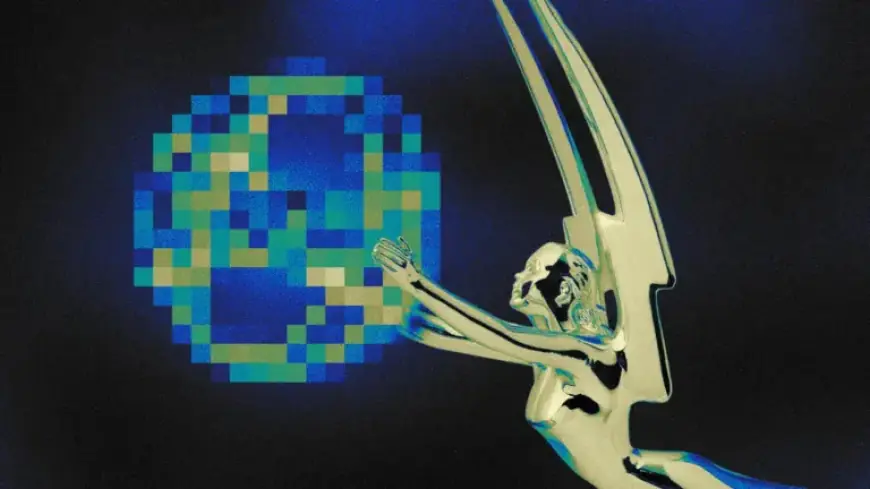
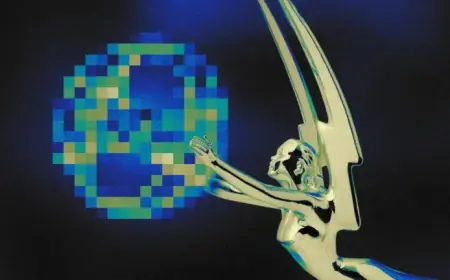
The Emmy Awards face a significant debate regarding the eligibility of AI-assisted TV shows. With the upcoming awards season, concerns about artificial intelligence’s role in creative processes have intensified within the entertainment industry.
Debate Over AI in the Emmy Awards
As the Emmy Awards approach, the Television Academy has introduced guidelines related to the use of AI in submissions. In January, the Academy stated it reserves the “right to inquire about the use of AI in submissions.” However, the rules also emphasized that the essence of recognition remains focused on human storytelling, irrespective of the tools involved.
Industry Responses
This announcement has led to criticism from many TV writers and production professionals. Some, including Emmy-winning producer Stan Brooks, argue that AI-generated work should be automatically disqualified in writing and acting categories.
- Brooks mentioned that an inquiry should not simply be about whether AI was used, but whether it significantly influenced the content.
- TV writers are concerned about AI’s potential impact on job security and artistic integrity in Hollywood.
AI Influence and Human Creativity
As discussions continue, questions arise about the nature of creativity. Is it solely a product of human intellect, or can it involve AI as a tool? This ambiguity is causing notable friction among industry professionals.
Academy CEO Maury McIntyre has suggested that they want to remain flexible about AI regulations while recognizing its potential as an artistic tool. “We’re now realizing the power of AI as a fantastic tool,” he stated. However, he acknowledged that entirely AI-generated content might necessitate stricter regulations in the future.
Comparisons with Other Awards
There are comparisons with how other award bodies approach AI usage. For example, the Recording Academy has indicated that works containing AI elements must retain meaningful human authorship. This contrasts with the Emmys’ more lenient stance, raising concerns over fairness among nominees.
The Potential for Separate Categories
This situation may call for the creation of distinct categories for AI-generated content. This approach could prevent AI-enhanced works from competing against traditional human-generated entries, something supported by various Academy members.
Concerns Over Artistic Integrity
As AI tools become more prevalent, their integration into creative areas like screenwriting raises critical questions. Many writers fear that AI may unfairly influence the creative landscape. Mark Heyman, a veteran writer, emphasizes the need for clear definitions and standards regarding human creativity and AI assistance.
Conclusion: The Future of AI in Emmy Considerations
The ongoing conversation about AI and its role in television storytelling is only beginning. As the Emmy Awards approach, the impact of these technologies on job security, artistic integrity, and award eligibility remains a pressing concern for writers and producers alike.