























Farmers Bet Big on Early Winter Crops in Unprecedented Times

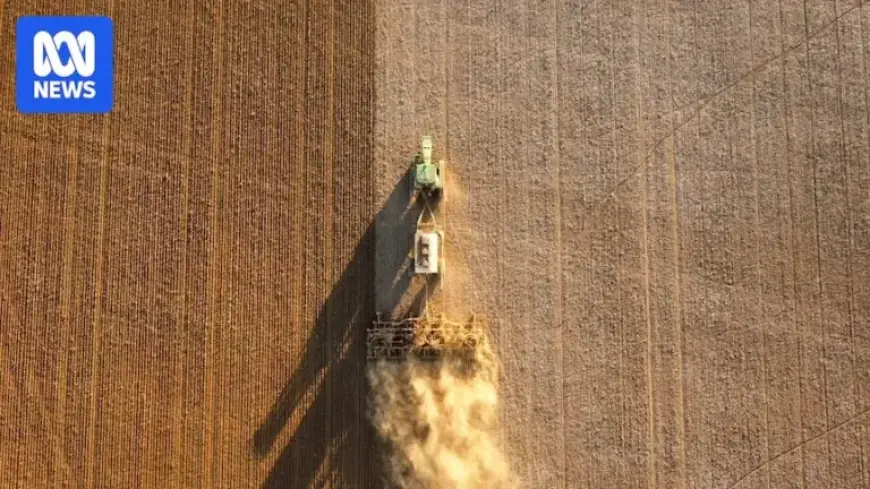
Farmers in South Australia are taking significant risks this year by planting winter crops much earlier than usual. This decision comes after a period of record rainfall, breaking the trend of consecutive years of drought. Despite the optimism, there are considerable uncertainties regarding upcoming weather patterns, volatile grain markets, and soaring costs for fuels and fertilizers.
Farmers Adapt to Changing Conditions
For Bute grower James Venning, the decision to plant canola weeks earlier than his usual schedule marks a significant gamble. He planted canola just before Easter, despite the risk of it flowering during frost conditions. Venning stated, “This is the earliest we’ve ever started by at least two weeks.” He made this bold choice based on the substantial moisture from a particularly wet March, even though the forecast suggests a dry winter ahead.
Traditional Timing and Innovative Strategies
- Most farmers typically begin planting around Anzac Day or later.
- Growers have started early to capitalize on available sub-soil moisture.
- Early planting, while promising, comes with risks of warmer days affecting crop growth.
Brad Perry, Chief Executive of Grain Producers SA, remarked that this period poses one of the greatest challenges for grain producers. He emphasized that the recent rain has provided a much-needed boost for many, but the uncertainty around the weather looms large. According to him, this season’s conditions are likely the best for years.
Soaring Costs Impacting Farmers
Increasing costs of essential inputs are adding pressure on farmers’ finances. A recent survey involving nearly 800 growers across South Australia highlighted rising concerns about fuel and fertilizer availability as well as their prices. Fertilizer costs have surged significantly due to global supply disruptions stemming from conflicts in the Middle East, where Australia sources a considerable amount of its urea.
Economic Pressures on Farmers
Farmers like Phillip Docking, who primarily cultivates wheat and canola, are experiencing budgets inflating by at least $180,000 this season due to these rising costs. This financial strain comes as he hopes for a decent yield following recent rains. “Primarily for fertilizer, we’d be up $100,000,” he explained, stressing the necessity of urea for his crops.
Docking continued to express the challenge of balancing necessary spending with fixed financial commitments. He stated, “There would automatically be a massive loss if we didn’t do something.” This sentiment reflects a widespread concern among farmers who feel trapped by continuing economic pressures.
Market Responses and Predictions
Sean Hickey, a senior agricultural analyst with Bendigo Bank, noted that early sowing has limited farmers’ options to adapt their planting strategies. Most growers have established their planting schedules a year in advance, making it difficult to pivot in response to market changes. He predicted a potential shift away from wheat in favor of barley due to its stronger pricing and lower fertilizer requirements. The extent of canola planting this season will be closely tied to ongoing fertilizer costs, complicating profit margins further.
In conclusion, South Australian farmers are navigating a complex landscape of early planting and rising input costs, driven by a record-breaking rainy season. However, the future remains uncertain as they grapple with the dual challenges of fluctuating markets and changing climate conditions.