

























Seattle Faces Criticism for Broken Promises Near Tiny Home Village

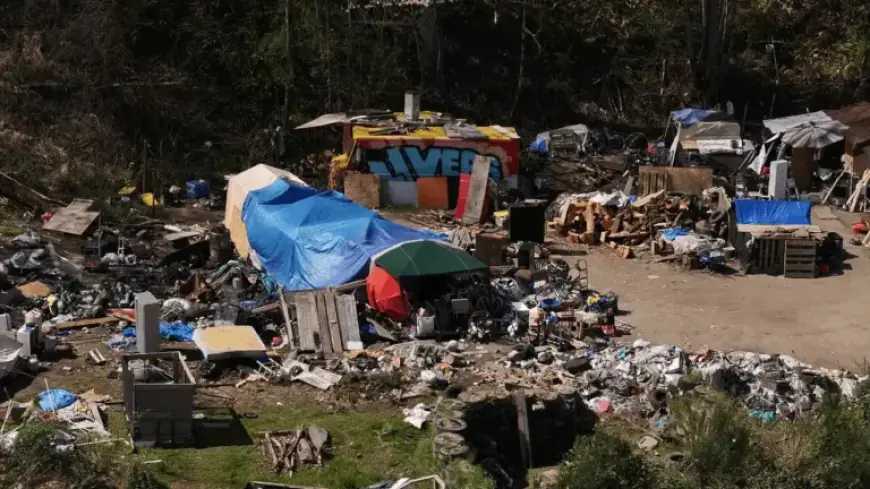
Seattle faces increasing criticism regarding its promises to alleviate homelessness as the City Council has pushed forward funding proposals to expand tiny home villages. Mayor Katie Wilson’s initiative seeks to utilize $5 million for the establishment of 500 new tiny homes by June, aiming to address the growing homeless crisis within the city.
Funding and Expansion of Tiny Home Villages
Following a vote from the Finance, Native Communities, and Tribal Governments committee, the Mayor’s request is set to be evaluated by the full council next week. Currently, Seattle hosts just over 600 tiny homes across approximately 20 villages. Mayor Wilson’s team has identified $17.5 million to further develop these villagers.
Outreach workers advocate for tiny homes, citing them as a low-barrier option to help homeless individuals transition from encampments. The average annual cost per tiny home is around $35,000, factoring in essential on-site staff and support services, according to a report from the mayor’s office.
Community Concerns and Broken Promises
Despite the potential benefits of tiny homes, many residents are voicing their frustrations. Neighbors around a village in South Seattle have expressed discontent regarding unfulfilled commitments from the city. Peter Eastey, a local business owner, highlighted the lack of action regarding homelessness near the Southend Village, which opened in 2022. Eastey claims residents were assured that encampments would be managed, yet the situation remains unchanged.
- Location: Rainier Beach neighborhood, near Martin Luther King Jr. Way South
- Concern: Large homeless encampment persists despite city promises
- Community Response: Repeated calls for city intervention with no action
Eastey stated, “There’s a sheer lack of action on the city’s part,” emphasizing that many items within the encampment appear stolen but remain unchecked. He voiced a strong demand for accountability and results, adding, “If that doesn’t happen, things need to change.” As tensions rise, Seattle must navigate the complex dynamics of homelessness and community needs effectively.