


















IES Warns: Hydro Reliability May Be at Risk

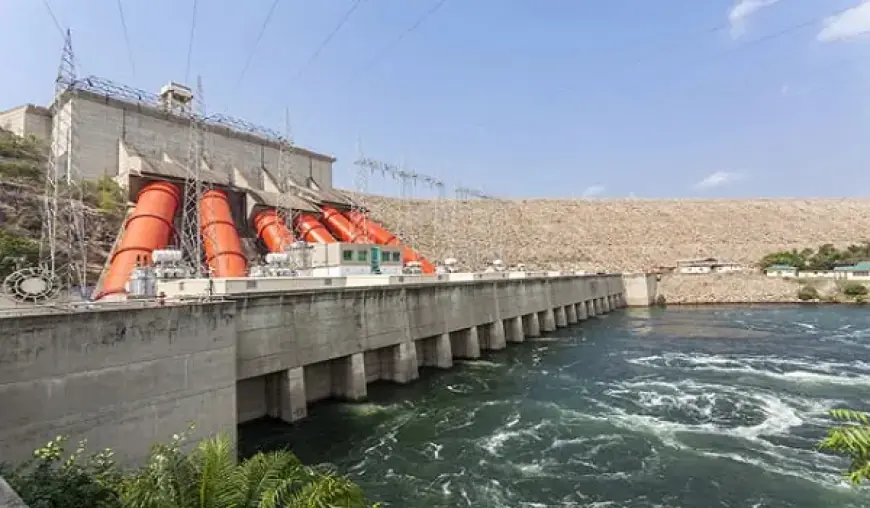
The Institute for Energy Security (IES) has flagged rising instability risks in Ghana’s power system. New analysis shows strain on the two largest hydroelectric dams, Bui and Akosombo. The IES warns that hydro reliability may be at risk as stresses synchronise across plants.
The report identifies 2024 as the peak year for hydrological stress. It finds 2025 will mark a persistence phase. Analysts describe the pattern as a multi-year deficit rather than a temporary dip.
Hydrological trends
Bui’s reservoir follows a clear seasonal cycle. Levels tend to peak between August and October and fall between February and April.
Recent years show deeper troughs and weaker recoveries. The first quarter now emerges as the system’s most vulnerable period.
System impacts
Reduced inflows and rising demand have left both Bui and Akosombo under simultaneous pressure. That limits the ability of one dam to offset shortfalls at the other.
Hydropower has long underpinned Ghana’s electricity supply and regional exports. The new findings indicate that operational pressures and changing climate patterns are eroding that reliability.
Operators have increased reliance on thermal plants. These include units run by the Volta River Authority and independent power producers. The shift raises both cost and efficiency concerns.
Policy responses and recommendations
IES calls for stronger planning frameworks that reflect seasonal vulnerabilities. The institute stresses special attention to the first quarter.
- Adopt strategic water conservation to protect minimum operating levels.
- Set clear elevation thresholds to restrict generation when levels fall too low.
- Accelerate deployment of complementary renewables, especially solar power.
Solar output typically peaks during the dry season. That pattern can help offset lower hydro output in critical months.
Next steps for stability
Managers should integrate seasonal risk into everyday operations. Clear thresholds and diversified generation can reduce the likelihood of low operating zones.
Filmogaz.com will continue to follow developments and report further analysis from IES and sector stakeholders.