























Study Reveals Apple and Lenovo Laptops as Least Repairable

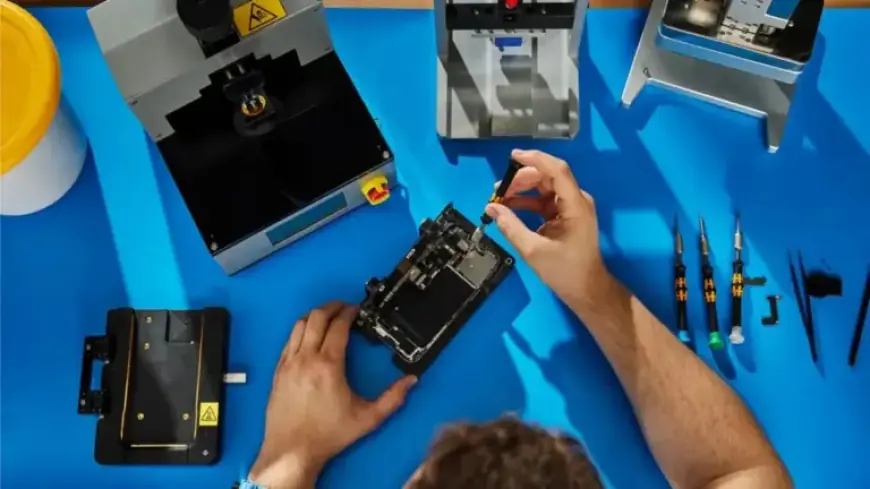
A recent report from the US PIRG Education Fund highlights the challenges of laptop repairability within major brands. Notably, Apple and Lenovo laptops were identified as among the least repairable models available today. This analysis underscores the ongoing concern over the accessibility and ease of repairing personal technology.
Key Findings on Laptop Repairability
The report indicates that while there have been some improvements, significant issues persist. Lenovo’s compliance with French consumer laws has improved, particularly regarding the availability of repair score PDFs on their site. However, advocates urge the company to address longstanding repairability issues.
Stagnant Repairability Standards
According to the report, repairability among popular laptop brands has seen little advancement. Proctor, a representative from US PIRG, noted that while consumers now have better access to repair information, parts, and tools, improvements in disassembly processes are still lagging.
Phone Repairability Scores: Lenovo Ranks High
In the realm of smartphone repairability, Lenovo’s Motorola brand received commendations, earning the highest repairability score among phone manufacturers. This achievement is noteworthy given the increasing scrutiny on repair practices.
Criteria for Repairability Assessment
The PIRG’s report used the European Product Registry for Energy Labelling (EPREL) to evaluate smartphone repairability. EPREL, established by the European Commission, assesses devices based on multiple factors:
- Disassembly depth
- Type of fasteners used
- Availability of tools
- Accessibility of spare parts
- Software updates
- Availability of repair information
Apple and Samsung faced criticism under these criteria, primarily due to the limited duration of guaranteed updates for their devices. Their scores reflect the struggle for transparency and ease in the repair process.
Challenges Facing Apple in Repairability
Despite some progress, Apple continues to grapple with significant repairability challenges. The company has made strides by moving away from parts pairing, a practice requiring encrypted software verification for replacement parts. Additionally, Apple introduced the Repair Assistant to facilitate repairs.
Issues with Face ID and Activation Lock
However, third-party Face ID replacements remain non-functional, which poses a barrier to independent repairs. The report also highlights that Apple has expanded its Activation Lock feature to individual components. This strategy has raised concerns among advocates, as it could prevent many operational parts from being reused in the repair ecosystem.
The issues of parts pairing and software restrictions are not unique to Apple. These challenges persist across various manufacturers, creating a complex environment for consumers and independent technicians alike.
Conclusion
The latest PIRG report serves as a critical reminder of the barriers to repairability faced by consumers in the technology sector. With brands like Apple and Lenovo falling short in this aspect, there is an ongoing need for improvement to enhance the usability and longevity of devices.