

























Government Enacts Emergency Directive for Truckers Amid Fuel Crisis

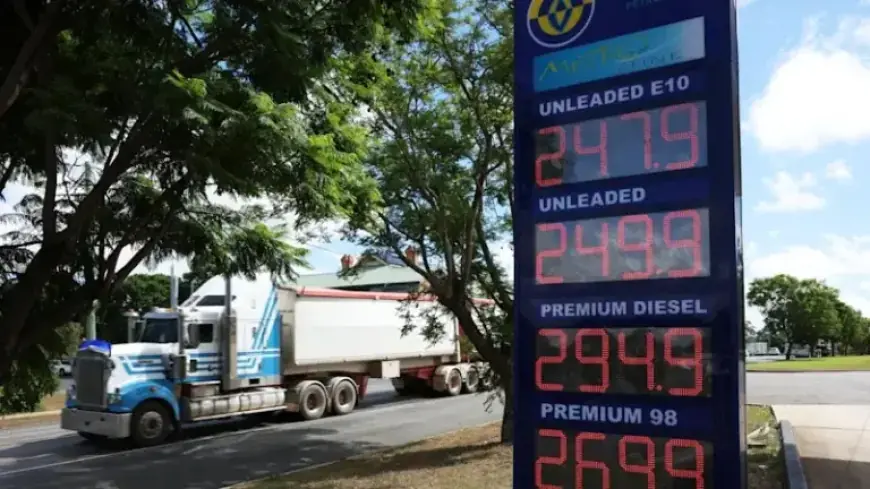
The Albanese government has responded to skyrocketing fuel prices by declaring an emergency for the trucking sector. Workplace Relations Minister Amanda Rishworth issued a draft order aimed at addressing the financial burdens faced by truck drivers. This move allows the Fair Work Commission to potentially mandate higher payments for freight services.
Emergency Measures for Truckers Amid Fuel Crisis
As fuel prices remain persistently high, with the average diesel price exceeding $3 per litre, the government’s emergency declaration comes at a crucial time. The draft order was released late Tuesday, allowing only a short window for public feedback prior to a Fair Work hearing scheduled for Wednesday.
Key Provisions of the Draft Order
- Grants emergency status to an application from the Transport Workers’ Union (TWU).
- Requires companies in retail, manufacturing, and mining to review fuel prices weekly.
- Mandates that if fuel prices exceed contracted rates, companies must absorb the costs rather than passing them on to small operators.
Rishworth stated that the application was urgent, particularly due to the “significant reduction in shipping through the Strait of Hormuz.” Feedback on the draft will be accepted until 8 PM AEST on Wednesday, prior to the Fair Work Commission’s hearing.
Industry Reactions
The TWU’s national secretary, Michael Kaine, expressed support for the draft determination. He noted that many truck drivers have not faced such difficulties in decades. Kaine emphasized the importance of ensuring that larger companies bear the costs associated with rising fuel prices.
Peter Anderson, national secretary of the industry association, highlighted the necessity for companies to contribute fairly to fuel relief. He warned that transport businesses might face closure without immediate action to adjust contracts and fuel levies.
Concerns and Challenges Ahead
During earlier discussions, representatives from various industry groups, including the Australian Industry Group, voiced concerns about the feasibility of a uniform approach to the problem. The differing contracts among businesses complicate the implementation of a standard solution.
In conclusion, the government’s emergency directive may provide some relief in a time of crisis. The outcome will greatly depend on the Fair Work Commission’s decisions and the willingness of large companies to support their supply chains during these challenging times.