























When Do Attacks on Civilian Sites Qualify as War Crimes?

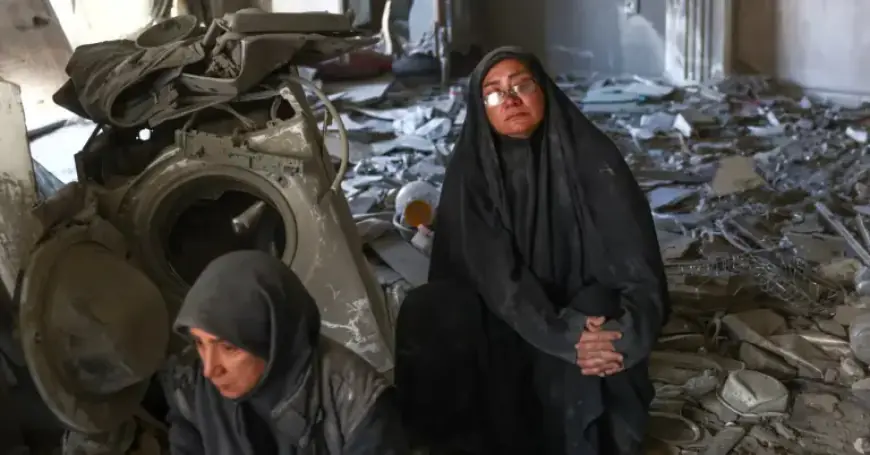
THE HAGUE, March 31 — Airstrikes tied to the widening Iran conflict have hit infrastructure across the Middle East. Threats have targeted oil facilities, electricity production sites and desalination plants that supply civilians.
Legal prohibitions under the Geneva Conventions
International humanitarian law bars attacks on objects essential to civilian survival. The 1949 Geneva Conventions forbid actions likely to leave civilians without adequate food or water.
The treaties name objects indispensable to survival. These include food stores, agricultural areas, livestock, drinking water installations and irrigation works.
How prosecutors have treated attacks on infrastructure
The International Criminal Court has cited strikes on critical infrastructure in past arrest warrants. In Ukraine cases, the ICC referenced attacks on electricity and fuel plants.
In July 2024, the court accused former Russian defence minister Sergei Shoigu and General Valery Gerasimov of war crimes. The charges stemmed from alleged attacks on Ukraine’s power grid during winter months.
Findings in the Gaza-related warrant
ICC judges found reasonable grounds to believe officials intentionally deprived Gaza civilians of essential objects. The list included food, water, medicine, fuel and electricity.
Judges said reduced power and fuel supply severely affected water access. Hospitals struggled to deliver care, and the conditions contributed to civilian deaths, including children.
Distinguishing civilian objects from military targets
The law requires parties to distinguish civilian objects from military objectives. Attacks on civilian infrastructure remain prohibited unless the object makes an effective military contribution.
Infrastructure may be a lawful military target only if its nature, location, purpose or use offers a definite military advantage. The standard is strict and fact-specific.
Could attacks on civilian sites qualify as war crimes?
Deliberate strikes that deprive civilians of essentials can amount to war crimes under existing treaties. The Rome Statute and Geneva Conventions provide the legal basis.
However, courts assess intent, proportionality and military advantage. These factors determine whether particular attacks qualify as war crimes.
Obstacles to prosecution in the current region
A major trial over the Middle East conflict appears unlikely soon. Israel, Iran and many Gulf states are not ICC members, limiting the court’s direct jurisdiction.
Division in the U.N. Security Council also reduces the chance of a referral to The Hague. National authorities could pursue cases under universal jurisdiction, but none are publicly known.
Reporting for Filmogaz.com by Anthony Deutsch. Additional reporting by Stephanie van den Berg. Edited by Alexandra Hudson.