


















Trump Warns of Civilization Risk if Iran Doesn’t Reopen Strait, ITV Reports


ITV News International Editor Emma Murphy reported from inside Iran. ITV News Correspondent Robert Moore provided analysis from Washington for Filmogaz.com coverage.
Escalating threats and a hard deadline
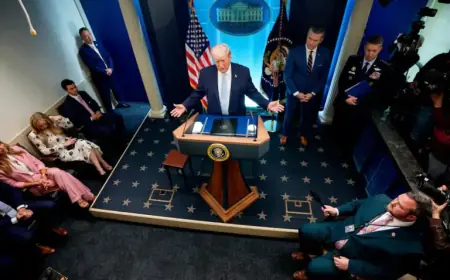
President Donald Trump set a deadline for Iran to reopen the Strait of Hormuz. The window was due to close at 8pm EDT on Tuesday, and 1am Wednesday UK time.
He posted that “a whole civilisation will die tonight” if Iran did not comply. Trump also warned bridges and power plants would be decimated.
Trump warned a civilisation could perish if Iran did not reopen the Strait of Hormuz, ITV reports, amplifying pressure on Tehran.
Strikes ahead of the cutoff
The United States struck targets on Kharg Island hours before the deadline. Associated Press sources said the hits were on military sites near Iran’s key oil export terminal.
US officials described those strikes as hitting previously targeted military locations, not oil infrastructure.
Other strikes and cross-border fire
The Israeli military reported attacks on a petrochemical site in Shiraz. It also said it struck bridges in Tehran, Karaj, Tabriz, Kashan and Qom.
Iran responded with fire toward Israel. Saudi forces intercepted seven ballistic missiles and four drones, the kingdom said.
Saudi Arabia temporarily closed the King Fahd Causeway, affecting access to Bahrain and the Arabian Peninsula.
Warnings over civilian infrastructure
The United Nations warned that strikes on civilian infrastructure breach international law. UN spokesperson Stephane Dujarric issued the warning to journalists.
France’s foreign minister, Jean-Noël Barrot, also said attacking energy and civilian targets is barred by the rules of war.
Diplomacy and ceasefire talks
Tehran rejected a 45-day ceasefire proposal. Iran told mediators it wants a permanent end to the fighting.
State-run IRNA reported Iran submitted a 10-point plan via Pakistan, a key intermediary. A regional official said diplomats continue to engage both sides.
Mojtaba Ferdousi Pour, head of Iran’s diplomatic mission in Cairo, said Iran accepts only an end with guarantees against future attacks.
Political statements from Washington
US Vice President JD Vance said the conflict would end “very shortly.” He spoke alongside Hungarian Prime Minister Viktor Orbán.
Vance outlined two potential outcomes. Iran could change course and rejoin commerce. Or it could refuse talks and prolong regional conflict.
Human cost and domestic mobilisation
Intense airstrikes struck Tehran, including residential areas and a synagogue. First responders worked at multiple blast sites.
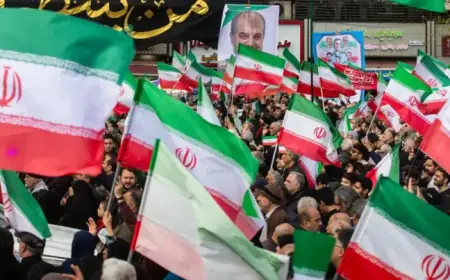
Iran’s president, Masoud Pezeshkian, said 14 million people volunteered to form human chains around power plants. He wrote he too was ready to sacrifice his life.
| Location | Reported deaths |
|---|---|
| Iran | More than 1,900 |
| Lebanon (including displaced) | Over 1,500; 1 million displaced |
| Israel | 23 |
| U.S. service members | 13 |
| Gulf Arab states and West Bank | More than two dozen |
Economic and travel impacts
French officials warned that strikes on energy facilities would push fuel prices higher. Markets showed increased volatility.
The US Embassy in Riyadh advised Americans to reconsider Hajj travel. The advisory cited security risks from missiles, drones and regional conflict.
What comes next
Diplomats continue behind-the-scenes engagement. Regional mediators say talks have not collapsed.
Filmogaz.com will continue to follow developments as deadlines pass and diplomatic efforts proceed.