
























Fuel Costs for Australia’s Top-Selling Car Surge $100 Amid Iran Conflict

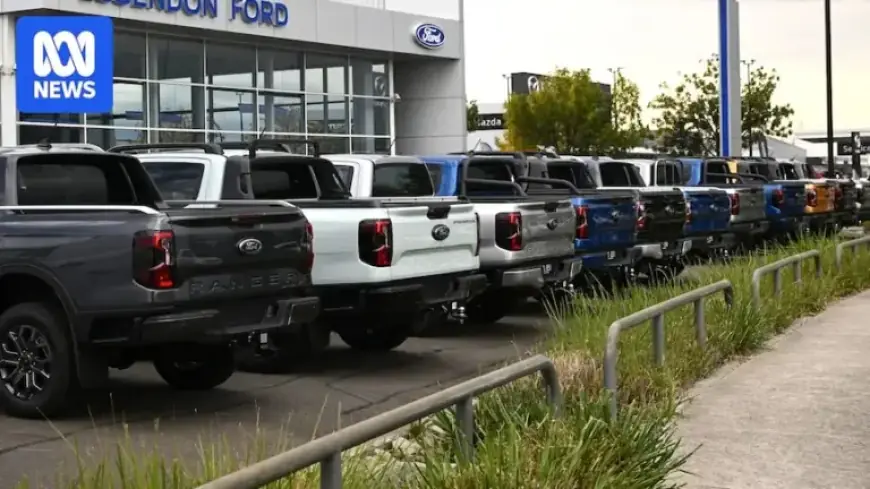
Fuel costs in Australia have surged dramatically due to the ongoing conflict in Iran. This increase has particularly impacted drivers of the Ford Ranger, the country’s best-selling vehicle.
Ford Ranger Sales and Fuel Efficiency
Data from RACV highlights that over 56,000 Ford Rangers were sold in the past year, solidifying its status as the most popular car in Australia. The base model features an 80-litre fuel tank and operates with a diesel engine that boasts a fuel efficiency of 7.2L/100km.
Rising Fuel Costs
In February 2023, the average cost to fill the Ranger was approximately $144.16 based on national diesel prices. At that time, driving 100km would cost about $12.97. However, by late March, filling the same tank had escalated to $248, raising the cost to travel 100km to $22.32.
Diesel and Unleaded Fuel Price Increases
According to the Australian Institute of Petroleum, the national average price of diesel has surged by 129.8 cents per litre since late February. Meanwhile, the average price for unleaded petrol increased by 82.4 cents per litre in the same timeframe.
Government Response
On April 1, the federal government responded to rising fuel prices by halving the excise on petrol and diesel, reducing the cost by 26.3 cents per litre. Despite this reduction, prices remain significantly elevated compared to earlier months.
Fuel Efficiency Rankings Among Popular Cars
- Most Fuel-Efficient: Toyota RAV4 GX – 4.7L/100km
- Least Efficient: Mitsubishi Outlander (4WD Aspire) – 8.1L/100km
Consumer Reactions and Industry Trends
Sam Yarwood, a car owner in Rockhampton, reported that filling his HiLux now costs him over $192 for 60 litres of diesel. “The cost of a tank has gone up about $100,” he noted, expressing concern about rising expenses impacting his travel for work.
RACQ’s principal technical researcher, Andrew Kirk, pointed out that many Australians still favor diesel vehicles for their fuel efficiency. However, the escalating fuel prices are prompting a shift towards hybrids and electric vehicles (EVs).
Impact on Rural Residents
Kirk acknowledged that for many in rural and regional Australia, 4WDs and utes remain essential vehicles. Despite the high initial costs of EVs, consumers are starting to see the long-term value as these vehicles become more affordable.
Fuel Saving Tips
To mitigate rising fuel costs, RACQ offers several practical tips:
- Watch the road ahead and drive smoothly.
- Brake and accelerate gently.
- Maintain proper tyre pressure.
- Reduce excess weight and aerodynamic drag.
- Use the appropriate gear for driving conditions.
- Maintain a steady speed, especially on highways.
Conclusion
While the fuel surges are a challenge for many Australians, some like Yarwood remain hopeful. He remarked, “If the worst part of this whole war is $100 more at the pumps, we still have it pretty easy.”