

























Varroa Mite Destroys Over 1,000 Beehives in ACT

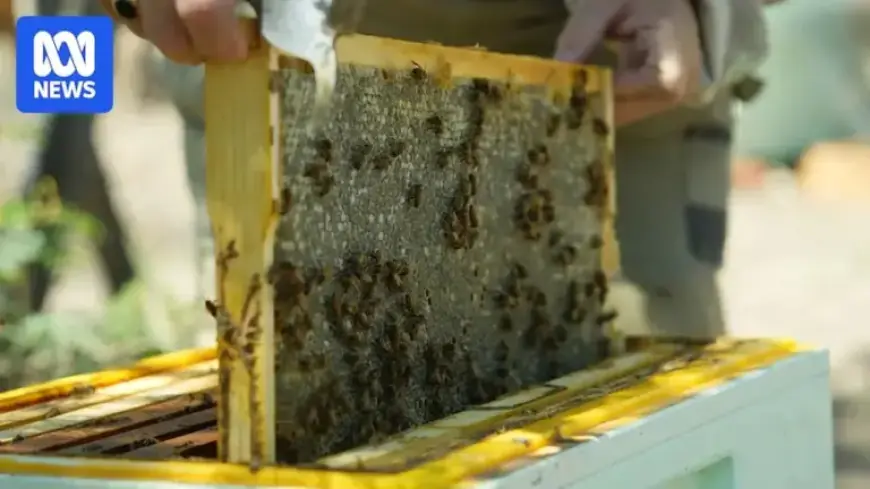
In the Australian Capital Territory (ACT), the varroa mite has wreaked havoc on local beekeeping, affecting approximately half of the region’s 6,000 beehives. This parasitic mite, measuring just 1 to 2 millimeters, attaches itself to honey bees, leading to their eventual death along with their colonies. According to Micah Wood, an ACT Biosecurity Engagement Officer, over 1,000 beehives have been destroyed due to this invasive species, which first appeared in the ACT in April of the previous year.
Widespread Impact of Varroa Mite
Micah Wood reports that varroa mite has now been found in every major suburb of Canberra. This rapid spread across the territory raises serious concerns for local beekeepers. Many hobbyists have suffered devastating losses, with entire hives wiped out as bees abscond or perish due to introduced viral infections brought by the mites.
Health Risks for Beehives
- The varroa mite introduces viruses that weaken bee colonies.
- Struggling hives cannot manage additional threats like wax moths and hive beetles.
- Beekeepers are urged to test their hives immediately for signs of infestation.
Wood emphasizes the importance of diligent hive management. He warns beekeepers that without proper testing and intervention, their hives are at severe risk. The ACT government’s biosecurity department stands ready to provide guidance to those lacking experience in handling these pests.
Beekeeping Strategies and Support
To combat the varroa mite, Wood suggests several options. Beekeepers can use methylated spirits to wash mites off bees and track their numbers. He urges all beekeepers to register with the biosecurity department. This registration allows for better communication and support, including access to tools and strategies for managing bee health.
Long-Term Outlook
Mark Paterson, president of the Canberra Regional Beekeepers Association, shares insights from his experiences in California, where he maintained hives affected by varroa for over a decade. Despite the significant impact anticipated, Paterson believes that bees in the ACT will develop resistance to the mite over time.
- Loss of pollinators could affect local fruit and vegetable production.
- Garden yields may decline due to reduced pollination if beekeepers cannot manage the varroa crisis.
Paterson’s outlook remains cautiously optimistic. He notes that while the initial effects of the varroa mite are profound, the local bee population may rebound in four to five years as they adapt to these challenges. “There is hope,” he concludes, emphasizing the resilience of bees and the importance of ongoing support for beekeepers throughout the region.