























South Texas Aquifers Strained Amid Corpus Christi Water Crisis

The depletion of South Texas aquifers has become a pressing issue amid an escalating water crisis affecting the city of Corpus Christi and its surrounding areas. The crisis threatens the water supply for over 500,000 residents, pushing local governments and industries to explore emergency groundwater projects and additional wells.
Impact on Local Communities
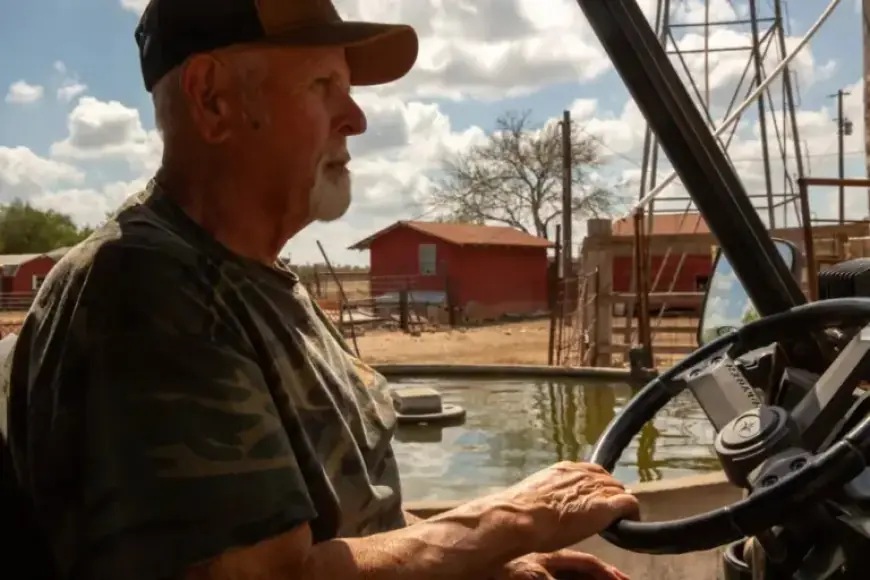
In Jim Wells County, locals, including retired chemical worker Bruce Mumme, are witnessing alarming drops in household well water levels. Mumme, whose family has farmed the land for generations, faces severe challenges as water scarcity threatens his ability to keep cattle and maintain his property.
- Mumme lost water access for three days waiting on a pump installation.
- He invested $30,000 in a new well for backup supply.
- His experiences reflect the plight of many residents facing similar difficulties.
As cities like Corpus Christi have begun to draw millions of gallons daily from local aquifers, rural communities are experiencing a ripple effect that may jeopardize their access to water. Towns depending on small wells are increasingly alarmed as water levels decline.
Emergency Groundwater Projects
To combat the impending crisis, Corpus Christi initiated large-scale groundwater projects. City officials have emphasized the urgency due to severe drought conditions in the last five years, which have depleted reservoirs and forced a reliance on aquifers.
- Corpus Christi began pumping from the Evangeline Aquifer after permit waivers were granted by Texas Governor Greg Abbott.
- New pumping projects could exceed sustainable withdrawal rates by over 1,000% based on state assessments.
- Plans are in place for multiple wellfields along the Nueces River to increase water supply.
Drilling operations, led by local firms such as Weisinger Inc., have ramped up significantly. These efforts aim to secure enough water to meet rising demand from both households and industrial users, which consume about half of the region’s water supply.
Industrial Water Usage and Challenges
Industrial facilities, including a large plastics plant operated by ExxonMobil, are seeking alternative water sources amid the crisis. Despite extensive drilling, many have encountered brackish water that is unsuitable for consumption or industrial usage.
ExxonMobil, having faced challenges in sourcing freshwater, is exploring solutions that do not draw from public resources. Other towns, such as Taft, are also looking at rehabilitating old wells but face financial hurdles to fund such projects.
Brackish Water Concerns
The increasing salinity levels in local aquifers present unique challenges. Communities like Orange Grove may have to resort to costly reverse osmosis systems to make their groundwater potable.
- Becoming reliant on brackish water requires expensive treatment infrastructure.
- Local governments are scrambling to secure funding for emergency water projects.
- Communities are at risk as salinity levels exceed safe drinking thresholds.
Future Uncertainties
If water demand isn’t curtailed by upcoming months, Corpus Christi could face drastic reductions in supply. Emergency plans may involve cutting back usage across industries, which heavily depend on the water supply from the city.
City officials have revealed that significant legal opinions are expected regarding water allocation during emergencies. There is uncertainty surrounding how these reductions will unfold, especially with respect to large industrial users.
As Texas grapples with the ongoing crisis in Corpus Christi, lessons may lie ahead for other regions at risk of similar water shortages. Proper long-term planning and sustainable practices are critical to avoid repeating historical oversights that led to the current emergency.
Conclusion
The water crisis in Corpus Christi underscores the need for urgent action and innovative solutions to manage resources sustainably. Continued collaboration between local governments, residents, and industries is essential to mitigate the effects of this pressing issue.