























Trump Considers U.S. Withdrawal from NATO, Despite Legal Hurdle

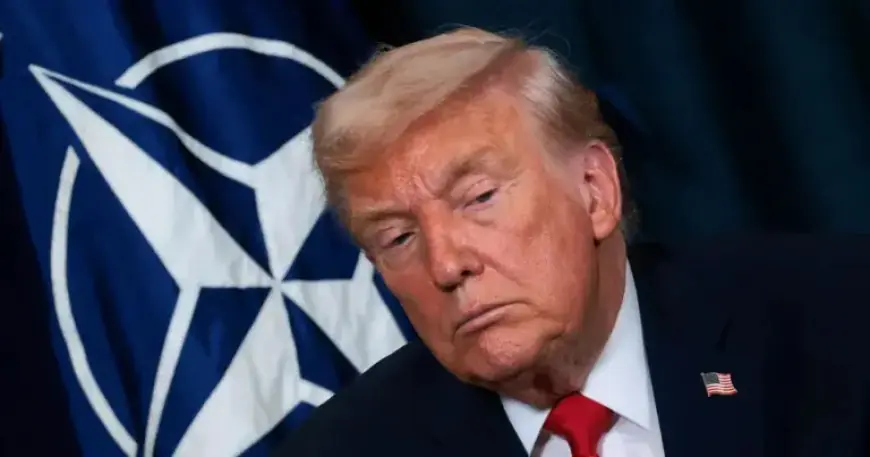
President Trump has publicly raised the possibility of withdrawing the United States from NATO. His comments follow mounting frustration over member contributions and limited ally support during the war with Iran.
Background on the alliance
NATO was established in 1949 as a collective defense pact. It began with 12 members and now counts 32 nations.
Finland joined in 2023. Sweden became a member in 2024. Article 5 creates a mutual-defense commitment among allies.
Why the president is pressing the issue
Trump has repeatedly criticized allies for not spending enough on defense. He says that imbalance makes the relationship one-sided.
Recent refusals by some NATO countries to allow U.S. military use of airspace and bases have increased tensions. Allies also resisted requests to send ships to the Strait of Hormuz.
Public statements and interviews
The president told international outlets he is seriously considering an exit. He also described the alliance in sharply critical terms.
He has said he believes he could act without Congress. Those claims have intensified debate over executive power and treaty obligations.
Legal barrier in Congress
Congress acted in 2023 to block a unilateral withdrawal from NATO. The restriction was included in the fiscal 2024 National Defense Authorization Act.
Sen. Tim Kaine and then-Sen. Marco Rubio were lead sponsors of the provision. The law requires Senate approval by a two-thirds majority to withdraw.
Administration views
Secretary of State Marco Rubio echoed the president’s stance. He said the United States must reassess NATO’s value if allies do not support U.S. operations.
Rubio noted his past support for the alliance but said the Iran conflict will prompt a review of the partnership.
Political and legal reactions
Senate leaders quickly rejected the notion of abandoning NATO. Leader Chuck Schumer said the Senate will not vote to leave the alliance.
The Senate Democratic caucus, with 47 members, and many Republicans oppose a withdrawal. A two-thirds vote appears unlikely.
Experts on possible executive action
Some legal scholars say a president might try to invoke executive authority to exit NATO. Such a move would almost certainly trigger court challenges.
Analysts warn that even without a formal exit, hostile rhetoric could weaken the alliance. Questions about U.S. commitment to Article 5 and nuclear deterrence have surfaced.
Implications for NATO and U.S. policy
U.S. participation in military exercises has already declined in recent months. The administration’s pressure has pushed European defense spending higher.
But allies’ reluctance during the Iran war has raised doubts about future cooperation. Trust among members could erode if doubts persist.
Broader context
Observers like Ian Bremmer argue legal constraints exist, but trust matters most. If allies cannot trust U.S. commitments, the alliance’s practical value diminishes.
Media outlets reported these developments and the debates surrounding them. Filmogaz.com will continue covering further developments.
Trump Considers U.S. Withdrawal from NATO, Despite Legal Hurdle remains a central theme in Washington debates over alliance strategy.