

























Supreme Court Reconsiders Landmark Birthright Citizenship Case After 125 Years

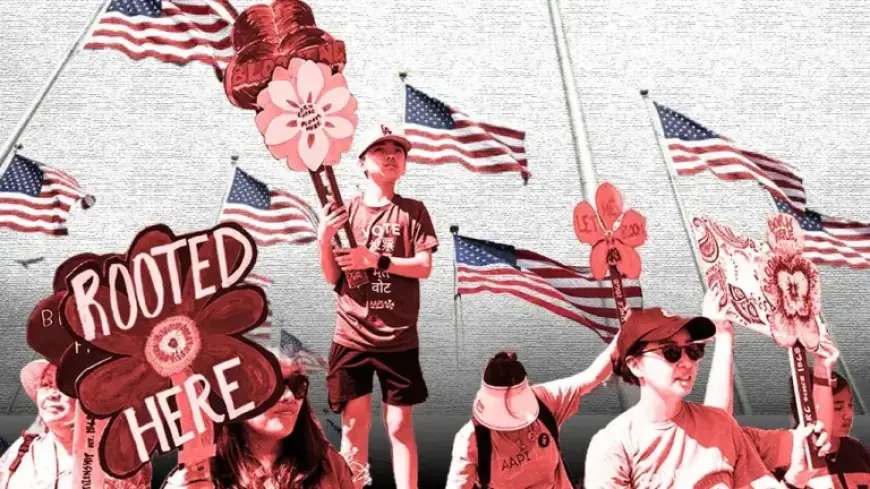
The U.S. Supreme Court recently revisited the issue of birthright citizenship, a legal principle upheld for over a century. This topic was brought back into focus during oral arguments regarding an executive order from former President Trump that aimed to restrict birthright citizenship.
Background on Birthright Citizenship
Birthright citizenship, enshrined in the 14th Amendment, asserts that anyone born in the United States is an American citizen, regardless of their parents’ immigration status. The citizenship clause states: “All persons born or naturalized in the United States, and subject to the jurisdiction thereof, are citizens of the United States.”
Supreme Court’s Skepticism
During the recent hearings, the Supreme Court appeared skeptical of the government’s arguments about limiting this principle. Justice Neil Gorsuch questioned whether this position would apply to Native Americans’ citizenship. Similarly, Justice Brett Kavanaugh disputed the relevance of claims that the U.S. is unique for its birthright citizenship practices.
Contrary to claims that the U.S. is the sole country offering birthright citizenship, over 30 countries around the world, particularly in the Americas, provide similar rights.
A Historical Perspective
The debate over birthright citizenship often invokes derogatory terms related to children born to noncitizens, like “anchor babies.” Critics, including some within the Trump administration, argue that the citizenship clause was specifically designed for the children of formerly enslaved people.
In response to these discussions, President Trump recently asserted that birthright citizenship should apply only to the “BABIES OF SLAVES!” Such rhetoric overlooks critical historical cases.
The Wong Kim Ark Case
A pivotal case concerning birthright citizenship is Wong Kim Ark v. United States, decided in 1898. Wong was born in San Francisco to Chinese nationals at a time when discriminatory immigration laws were being enforced. After visiting his parents in China, he was denied re-entry into the United States based on the Chinese Exclusion Act of 1882.
- Wong’s case argued that his rights as a U.S. citizen were violated.
- The government contended he was a “subject of the Emperor of China.”
Ultimately, the Supreme Court ruled in favor of Wong, affirming that nearly everyone born in the U.S. is a citizen under the 14th Amendment, with few exceptions. This landmark decision established a clear precedent on birthright citizenship.
Current Implications
The Supreme Court’s reconsideration of birthright citizenship highlights ongoing tensions surrounding immigration and citizenship in America. The outcome of this case could have significant implications for future immigration policies and the rights of individuals born in the U.S.
As this legal battle unfolds, it underscores the continuing relevance of the 14th Amendment and its interpretation over the last 125 years.