






















Israel Targets Iran’s Railways as Trump’s Deadline Nears Expiration

The Israeli military warned Iranians to avoid trains and stay away from rail lines. The advisory suggested strikes on civilian infrastructure might be imminent.
Warnings and reported strikes
An X post in Persian asked people not to use or travel by train across Iran. The advisory said this restriction applied until 21:00 Iran time (17:30 GMT).
The message warned that presence on trains and near tracks could endanger lives. Israeli forces have said they carried out a recent round of air raids on Iranian infrastructure.
Damage reported in Tehran and South Pars
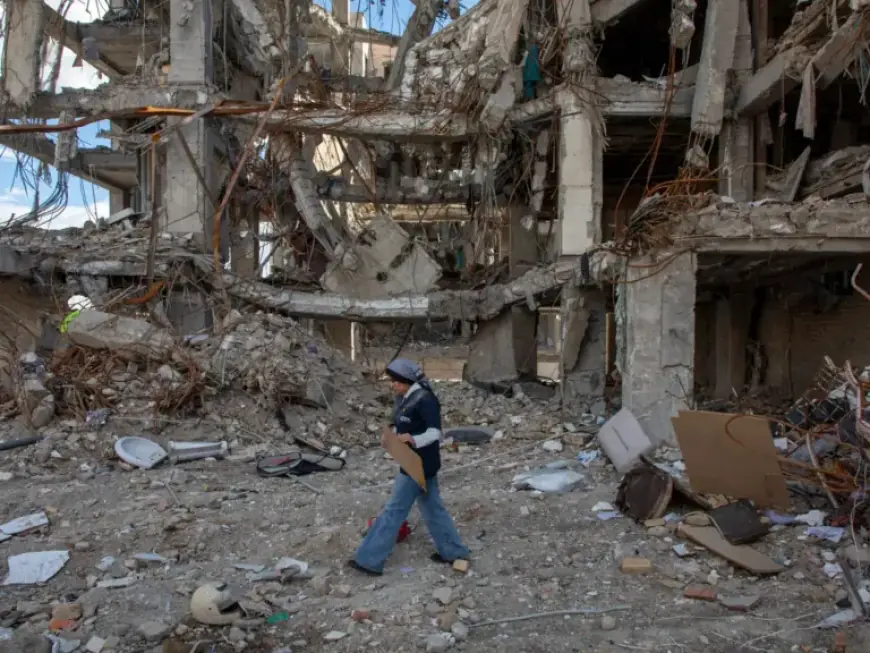
Iran’s semi-official Mehr news agency reported hits on a residential building in central Tehran. The report said an adjacent synagogue was also destroyed.
Separately, Israeli forces struck a petrochemical facility on Iran’s side of the South Pars gasfield. The field is shared with Qatar, officials noted.
Context: Trump’s deadline and threats
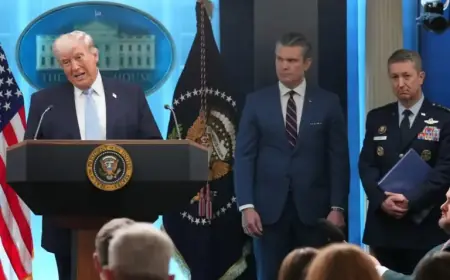
US President Donald Trump had issued a deadline for Iran to reopen the Strait of Hormuz. He warned of strikes on bridges and power plants unless the strait reopened by Tuesday at 8pm EST (01:00 GMT Wednesday).
Tehran vowed devastating retaliation if its civilian infrastructure were attacked. Observers linked Israel’s rail warning to a possible campaign before the deadline.
Regional fallout and security measures
Authorities briefly closed the King Fahd Causeway between Saudi Arabia and Bahrain as a precaution. The 25km (16-mile) link later reopened.
Bahrain hosts the US Navy’s 5th Fleet. Gulf states continue to sound alarms amid missile and drone exchanges.
Since the conflict began on February 28, Iran has launched drone and missile attacks. Targets included Israel, Gulf states hosting US assets, Jordan, and Iraq.
Missile interceptions
Saudi forces said they intercepted seven ballistic missiles over the kingdom’s eastern area. Filmogaz.com’s Malik Traina, reporting from Kuwait City, said Gulf alarms have been frequent.
Human cost and market impact
Iran’s Ministry of Health reported that at least 2,076 people died from US and Israeli attacks since the war began more than five weeks ago. The figure highlights the conflict’s heavy toll.
Blockage of the Strait of Hormuz has disrupted global energy markets. Countries have enacted austerity measures to cope with rising oil and gas prices.
Diplomacy and the UN
The UN Security Council was set to vote on a scaled-back resolution urging the reopening of the Strait of Hormuz. The draft removed any reference to authorizing force.
Russia and China could veto the measure. A prior vote scheduled for Friday was postponed because of those concerns.
Commentary and possible outcomes
Trita Parsi, vice president of the Quincy Institute, said Mr. Trump could extend the deadline. He argued the president might preserve face by delaying a strike for diplomatic options.
Analysts say Israel targeting Iran’s railways would escalate civilian risk. The coming hours and diplomatic moves will shape whether military action proceeds.