

























Mid-Air Birth Sparks Complex Legal Questions

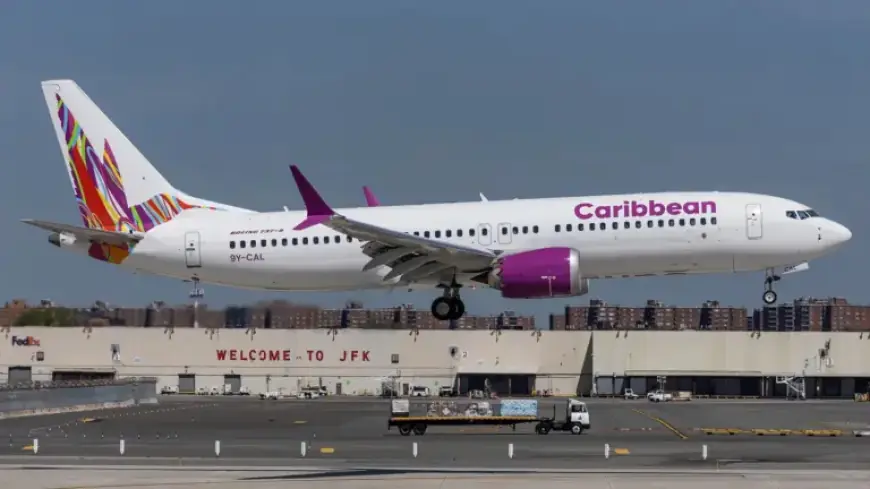
A remarkable incident unfolded during a Caribbean Airlines flight from Jamaica to the United States when a passenger gave birth mid-air. The mother went into labor as the plane approached New York City’s John F. Kennedy International Airport. Medical assistance was provided upon landing for both the mother and her newborn.
Mid-Air Birth and Its Legal Implications
Air traffic control humorously suggested naming the baby “Kennedy,” a nod to the airport’s namesake. The airline praised its crew for their professionalism during the unexpected situation, noting that standard procedures were followed to ensure the safety of all passengers.
Statistics on In-Flight Births
Births during flights are rare occurrences. According to the National Library of Medicine, only 74 infants were born on flights from 1929 to 2018, with 71 of those surviving the delivery. Caribbean Airlines has specific policies regarding pregnant passengers: they can fly without medical clearance until their 32nd week and are prohibited from flying after the 35th week.
Legal Questions Surrounding Citizenship
The mid-air birth raises intriguing legal questions. Immigration lawyer Brad Bernstein addressed these queries in a video on his YouTube channel. He highlighted that the child’s citizenship depends on the location of the plane at the time of birth.
- If born in U.S. airspace, the child is a U.S. citizen under the 14th Amendment.
- If born outside U.S. airspace, the baby does not qualify for citizenship.
This incident underscores the complexities surrounding mid-air births and their implications, from medical to legal aspects. As regulations evolve, it will be interesting to see how such cases are approached in the future.