

























Canada Thrives: Leading Market Performers One Year Post-Liberation Day

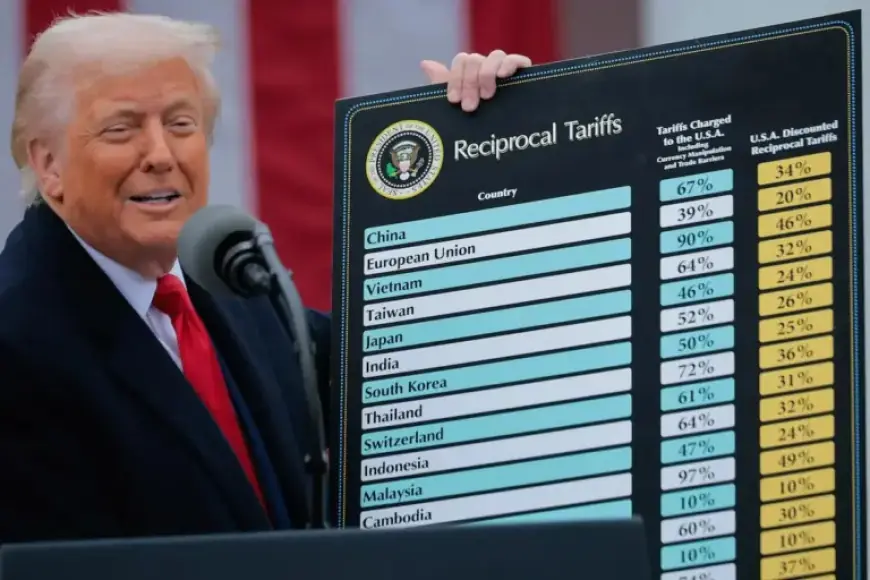
One year after the significant event known as Liberation Day, Canada’s economic landscape presents a mixture of challenges and progress. Despite the imposition of trade sanctions, the Toronto Stock Exchange (TSX) has shown remarkable resilience, rising by 30%. This article explores the key market performers and the implications of ongoing trade negotiations with the United States.
Equities Market: Winners and Losers Post-Liberation Day
The aftermath of Liberation Day, which took place on April 2, 2025, has altered the dynamics of the Canadian economy. While there are lingering concerns, there is a clear division between market winners and losers.
Top Performers
- 5N Plus Inc. – Up 487%
- Energy Fuels Inc. – Up 358%
- Discovery Silver Corp. – Up 374%
- Americas Gold and Silver Corp. – Up 333%
- Abrasilver Resource Corp. – Up 310%
These companies, particularly in the precious and rare metals sectors, have benefited from a global shift towards safer investments amid geopolitical uncertainties.
Notable Decliners
- Goeasy Ltd. – Down 78%
- Transcontinental Inc. – Down 70%
- Constellation Software Inc. – Down 49%
- Allied Properties REIT – Down 44%
The declines are attributed to various factors, including credit issues and shifts in market demand.
Trade Talks and Their Implications
The ongoing trade negotiations between Canada, the U.S., and Mexico are expected to face delays. Analysts suggest that achieving a practical renewal of the USMCA agreement by the July 1 deadline is unlikely. This situation is compounded by differing approaches from Canada and Mexico regarding U.S. economic integration.
Canada is attempting to diversify its trade relationships rather than rely heavily on the U.S., while Mexico seeks deeper integration into the U.S. economy. Significant concessions are expected from both parties, particularly regarding stricter Rules of Origin standards as they relate to the automotive industry.
Economic Overview: Resilience Amidst Challenges
Despite the adverse effects of trade sanctions, the Canadian economy continues to grow. The GDP showed positive growth in the first months of 2026, indicating a resilience that contrasts with initial fears. However, there are still visible signs of struggle:
- Employment growth remains slow.
- Manufacturing output dropped by 4%.
- Federal trade deficit increased from 0.1% to 1.3% of GDP, amounting to $44 billion.
- Domestic export percentage to the U.S. fell from 76% to 66.4%.
Experts, including BMO chief economist Doug Porter, highlight these challenges but also indicate that the worst predictions have not come to pass, showing some stability in the equities market.
Looking Ahead
The political landscape in the United States, particularly surrounding the midterm congressional elections, could influence future trade policies. Changes in U.S. leadership and legislative support might either alleviate or exacerbate tensions in trade relations.
As Canada navigates its post-Liberation Day economy, the focus remains on adapting to trade realities while ensuring sustainable growth. The market’s responses will be closely scrutinized in the months to come, marking a crucial period for both equity investors and policy-makers.