





















ASX Set to Open Positively in Live Update


The ongoing conflict in the Middle East poses significant risks to global economic stability. The International Monetary Fund (IMF) anticipates rising inflation and decreasing growth as a result of the unrest.
Impact of the Middle East Conflict on the Global Economy
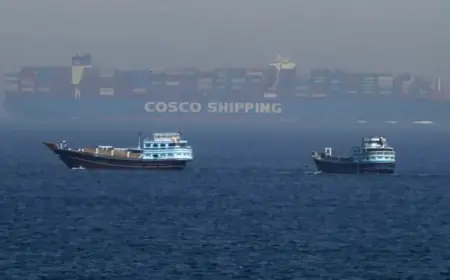
Kristalina Georgieva, the managing director of the IMF, reported that the war has resulted in unprecedented disruptions in global energy supplies. Specifically, it has led to a 13% reduction in global oil production. This decline comes as Iran reportedly blocks access to the Strait of Hormuz, a critical route for the transportation of one-fifth of the world’s oil and gas.
IMF Projections for Economic Growth
The IMF is preparing to adjust its economic forecasts. Next week, during the spring meetings with the World Bank in Washington, the organization will unveil its updated World Economic Outlook. Originally, the IMF expected a modest increase in global growth rates of 3.3% for 2026 and 3.2% for 2027. However, the current conflict has shifted these expectations.
- Georgieva stated, “Instead, all roads now lead to higher prices and slower growth.”
- The IMF had previously suggested a potential forecast downgrade in a blog post dated March 30.
- Without the war, the IMF anticipated a gradual recovery from pandemic-related downturns.
Challenges to Recovery
Georgieva emphasized that heightened geopolitical tensions, rapid technological changes, climate-related challenges, and demographic shifts contribute to a climate of uncertainty. The IMF expects that, regardless of whether the conflict ends swiftly, the outlook for inflation will be revised upward. The implications for economic growth may also be notably negative.
In summary, even if hostilities cease quickly, the effects on inflation and growth are expected to be significant. The IMF’s insights outline a critical moment for global economies adapting to ongoing challenges in the wake of the conflict.