










Prime Video Enhances Masters TV Schedule, Yet Lags in Modernization

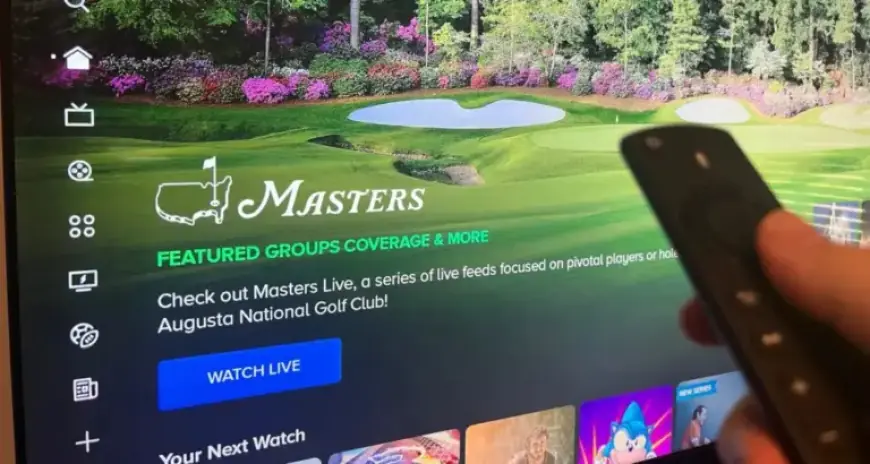
As the excitement builds for Masters week, golf enthusiasts eagerly await the tournament that kicks off this Thursday. April is the month when the long wait since July’s last major ends. In a notable development, for the first time in 70 years of broadcasting, Prime Video will offer a main feed starting at 1 p.m. ET during the first two rounds. This marks a significant shift from previous years when coverage only began at 3 p.m. ET on ESPN.
Significant Changes in Coverage
The introduction of Prime Video’s early stream is welcome news for fans. Historically, viewers had to wait several hours before accessing comprehensive coverage. Now, they can engage with the Masters earlier in the day, leading directly into ESPN’s broadcast.
A Glimpse into Golf Coverage Evolution
Augusta National Golf Club has long been praised for its technological advancements. However, it has fallen behind in meeting modern viewer expectations. Many golf fans now expect a main broadcast feed throughout tournament play. Comparable events, like standard PGA Tour tournaments, often have uninterrupted coverage starting around 7 a.m. ET.
- PGA Championship: Main feed starts at 7 a.m. ET on ESPN+
- U.S. Open: Coverage begins at 6:30 a.m. ET on USA Network
- The Open Championship: Main feed starts at 1:30 a.m. ET on Peacock
While other major tournaments provide continuous coverage, the Masters still requires fans to wait for their main broadcast feed. The decision appears intentional, possibly to maintain the tournament’s allure, similar to the limited nature of NFL games.
Viewership and Popularity
Despite the delayed coverage, the Masters remains the most-watched golf major annually. This pattern indicates that Augusta National’s strategy effectively drives viewer interest. Year after year, its status as a premier event is reinforced.
The Future of Masters Broadcasting
While this year brings additional coverage hours, many fans still wish for more immediate access. The Masters’ broadcast strategy, which feels somewhat retro in a fast-paced world, contrasts sharply with current expectations from golf fans accustomed to constant coverage. There may come a time when Augusta National aligns more closely with modern broadcasting standards. However, that appears unlikely this year, and possibly for the foreseeable future.