
























Bridger Plans $2 Billion Canada-Wyoming Crude Pipeline, Exceeding 1 Million Barrels Daily

Bridger Pipeline has unveiled a significant plan to construct a crude oil pipeline from Canada to Wyoming. This ambitious project is estimated to cost around $2 billion and aims to transport over 1 million barrels of oil daily.
Project Overview
Initially proposed in January, the pipeline intends to facilitate the movement of Canadian crude from Phillips County, near the U.S.-Canada border. The route would lead south through eastern Montana before crossing into Wyoming, ultimately reaching Guernsey.
Pipelines Specifics
- Length: Approximately 1,050 kilometers
- Capacity: Average operation at 550,000 barrels per day, with potential to deliver up to 1.13 million barrels per day
- Cost: Estimated at $1.96 billion for the 700 kilometers laid in Montana
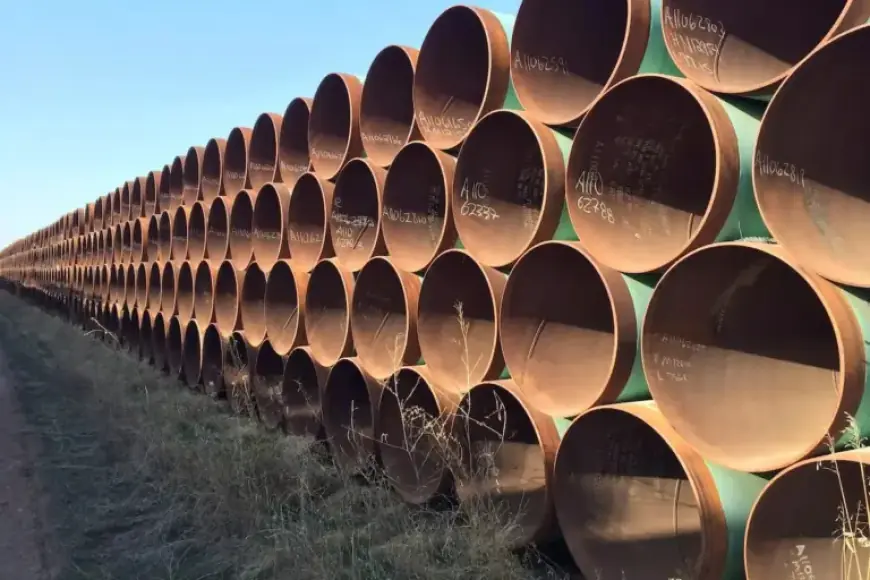
The 36-inch pipeline aims to minimize land disturbance by utilizing existing pipeline corridors. The company’s strategy indicates a commitment to environmental considerations while facilitating crude oil transport.
Market and Expansion Potential
Recent filings indicate that the pipeline could also integrate potential access points to the Bakken shale oil field. This would allow for further capacity expansion beyond the projected 550,000 barrels per day and offer a competitive option for Bakken shippers.
Matthew Lewis from Plainview Energy Analytics highlights that merging light crude oil batching could significantly boost transport volumes, potentially exceeding the typical ceiling of 800,000 barrels for heavy oil services.
Linkages to Other Projects
Bridger Pipeline may become a strategic partner for South Bow SOBO-T, which operates on reviving segments of the discontinued Keystone XL project. Should comprehensive approvals be secured, particularly from U.S. President Donald Trump, further infrastructure could enhance Canada’s crude exports to the U.S. by over 12%.
Future Infrastructure Needs
While Guernsey will serve as a transport hub, it does not qualify as a market for crude oil. Additional infrastructure will be essential to connect the pipeline to major refining facilities located at:
- Cushing, Oklahoma
- Patoka, Illinois
- The U.S. Gulf Coast
These connections are crucial for ensuring that the transport of Canadian crude oil can meet market demands effectively.