




















President’s Missteps on Iran Exposed

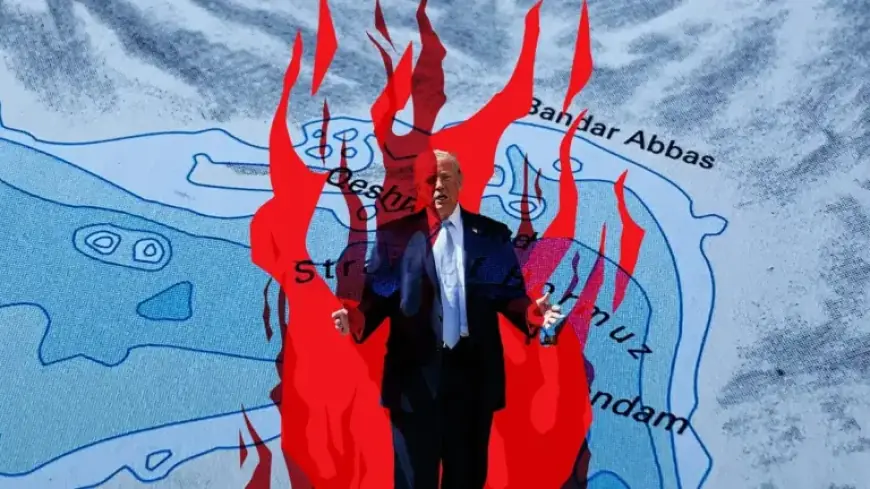
The recent actions and statements by President Trump regarding Iran have raised serious concerns and scrutiny, particularly around his shifting demands and the potential implications for international law. Most notably, his remarks regarding the Strait of Hormuz, a vital artery for global oil trade, have drawn attention.
President’s Missteps on Iran Exposed
In a striking contradiction, President Trump recently stated that the United States was not concerned about reopening the Strait of Hormuz, only to later demand its reopening within 48 hours, threatening severe military action against Iran if it remained closed. This inconsistency leads to questions about America’s strategic position and the nature of U.S.-Iran negotiations.
Key Events and Statements
Throughout March and early April, the president outlined a series of demands and statements about Iran:
- February 28: Trump emphasized eliminating threats from Iran, suggesting that Iranian citizens should prepare for significant military action.
- March 6: He declared that there would be “no deal with Iran except UNCONDITIONAL SURRENDER,” showcasing a notable hardline stance.
- March 21: Trump threatened to obliterate Iranian power plants if they did not fully reopen the Strait of Hormuz within 48 hours.
- April 1: He expressed that it was not America’s problem whether the strait remained open or closed, highlighting a contradictory approach.
Legal Implications of Trump’s Threats
Legal experts have warned that Trump’s threats to bomb civilian infrastructure and Iranian power plants could violate international laws regarding warfare. Such actions could constitute war crimes, putting both U.S. servicemembers and military commanders at legal risk.
The Geneva Conventions stipulate that civilian infrastructure is protected from attacks unless used for military purposes. Trump’s pronouncements could complicate the legal landscape for military personnel who may feel compelled to follow potentially unlawful orders.
The Broader Impact on U.S. Foreign Relations
The rapid shift in Trump’s narrative raises concerns not only about U.S.-Iran relations but also about the influence of the United States on the global stage. If America’s leadership falters, it could create a power vacuum that nations like China and others may exploit.
The underlying question remains whether these shifting demands reflect an erratic approach or a broader strategy that indicates a serious miscalculation on America’s part. As the situation evolves, the implications for international relations and military integrity will become increasingly significant.
Ultimately, the handling of this delicate situation will determine not only Trump’s legacy but also the future stability of the Middle East and global oil supply routes.